
If you have never baked a cake before, or if you have baked one cake and it did not quite work out, lemon drizzle cake is the recipe I would hand you first. It is bright without being sharp, moist without being heavy, and forgiving in a way that many cakes are not. It does not need layers, it does not need frosting, and it does not need to look perfect, because the drizzle itself, spooned over the warm cake, covers a multitude of small imperfections and makes the whole thing glisten in a way that looks intentional and beautiful.
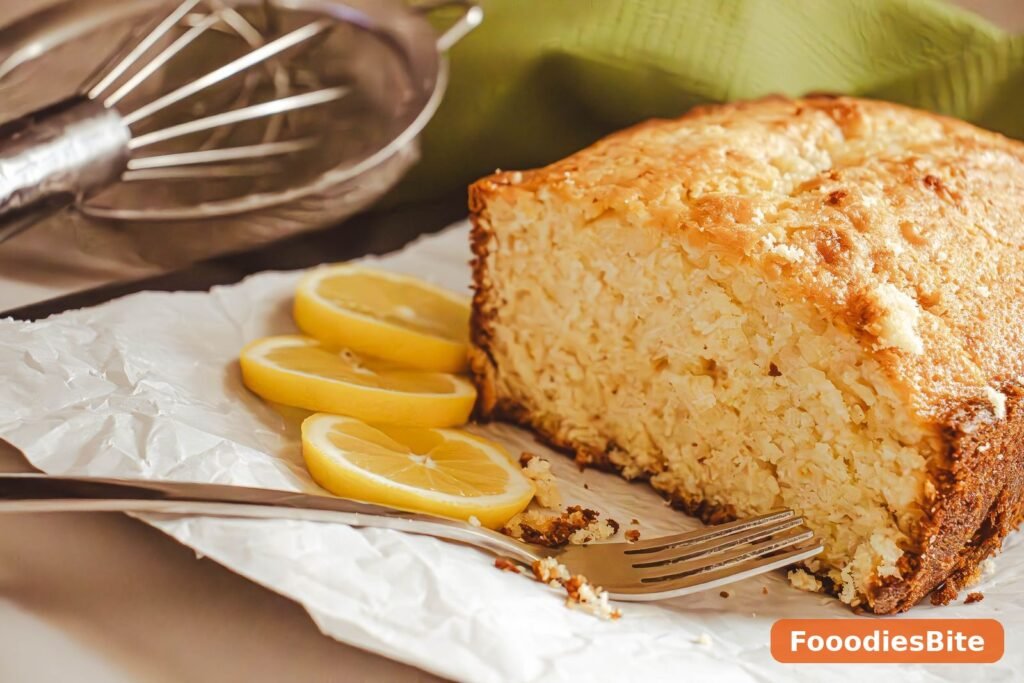
The idea is simple. You bake a lemon sponge in a loaf pan, and while it is still warm, you prick it all over with a skewer and spoon over a mixture of lemon juice and sugar. The drizzle soaks down into the cake, creating a slightly sticky, crunchy top and a moist, tangy crumb underneath. The lemon flavour is in every bite, not just on the surface, which is what makes this cake so much more interesting than a plain sponge with lemon icing on top. It is a cake that tastes like it took skill, even though the method is straightforward enough for a complete beginner.
I remember my first lemon drizzle cake vividly, partly because it was the first cake I ever baked that someone asked me to make again. I had been nervous about it, convinced that baking was a precise science I would somehow get wrong, and I measured everything twice and checked the oven every ten minutes. The cake came out golden, slightly cracked on top, and smelling wonderful. When I spooned the drizzle over it, I could hear it fizzing gently as the sugar met the warm cake, and I knew, even before tasting it, that it was going to be good. It was, and it has been a regular in my kitchen ever since.
This recipe makes one loaf, enough for eight to ten slices, and it uses ingredients you probably already have. There is no special equipment required beyond a loaf pan, a bowl, and a whisk or an electric mixer. If you do not have an electric mixer, a wooden spoon and a little arm work will do the job perfectly well. Lemon drizzle cake is not a test of your equipment. It is a test of your patience with a few simple steps, and it is a test you are very likely to pass.
Why This Cake Works So Well
Lemon drizzle cake works because it is built on a simple, reliable sponge method, and because the drizzle does two jobs at once. The sponge itself is a classic butter cake, made by creaming butter and sugar, adding eggs, and folding in flour with lemon zest. The zest is important. It carries most of the lemon flavour, since lemon juice on its own can taste sharp without being particularly lemony, and the oils in the peel are what give the fruit its distinctive scent, as described in the article on lemons on Wikipedia. The oils in the zest give the cake its fragrant, floral lemon character, while the juice in the drizzle gives it its tang and its moisture.
The drizzle is what sets this cake apart from an ordinary lemon sponge. When you pour a mixture of lemon juice and sugar over a warm cake, the sugar does not fully dissolve. Some of it soaks in, making the crumb moist and tangy, and some of it crystallises on the surface as the cake cools, forming a thin, crunchy crust that crackles slightly when you cut into it. That contrast, between the crunchy top and the soft crumb underneath, is one of the great pleasures of this cake, and it is entirely down to the timing of the drizzle. Pour it over a cold cake and it will sit on the surface. Pour it over a hot cake and it will soak straight through and make the cake soggy. Pour it over a warm cake, and it does exactly what you want.
Another reason this cake is so beginner-friendly is that it is not fussy about appearance. A lemon drizzle cake is supposed to have a crack on top. It is supposed to look rustic and homemade. There is no frosting to smooth, no layers to align, and no decoration that needs to be perfect. If your cake domes a little in the middle, that is fine. If it cracks, that is fine too. The drizzle will fill the crack and make it look deliberate. This is a cake that rewards you for baking it, rather than punishing you for small imperfections, and that is exactly what a beginner needs.
The ingredients are also forgiving. If you use slightly more lemon zest than the recipe says, the cake will simply be more lemony. If you use a little less sugar in the drizzle, it will be a little less sweet but still delicious. If your eggs are medium rather than large, the cake will still rise, though it may be slightly smaller. Baking can feel intimidating because recipes often sound so precise, but lemon drizzle cake has a comfortable margin for error, and that margin is what makes it such a good first cake.
Ingredients You Will Need
For the lemon sponge:
- 1 cup (225 g) unsalted butter, softened
- 1 cup (225 g) granulated sugar
- 4 large eggs, at room temperature
- 1 tablespoon finely grated lemon zest, from about 2 lemons
- 2 cups (250 g) self-raising flour
- 1 teaspoon baking powder
- 1/2 teaspoon fine salt
- 2 tablespoons milk, at room temperature
For the lemon drizzle:
- 1/3 cup (75 g) granulated sugar
- Juice of 2 lemons, about 1/3 cup (80 ml)
A note on the flour, because it causes confusion for beginners more than almost any other ingredient. Self-raising flour already contains baking powder, which is why this recipe only adds a small extra teaspoon. If you only have plain flour, you can use it, but you will need to add two teaspoons of baking powder instead of one. If you only have self-raising flour and no extra baking powder, the cake will still work, though it may rise slightly less. Either way, do not use bread flour, which is too strong for cakes and will make the crumb tough and chewy.
The lemons deserve a little attention too. Use unwaxed lemons if you can, since you are grating the zest and you do not want wax in your cake. If you can only find waxed lemons, scrub them well under hot water and dry them before zesting. When you zest, use only the yellow outer layer. The white pith underneath is bitter, and if you grate too deeply, that bitterness will end up in your cake. A fine grater or a microplane works best, and you should zest the lemons before you juice them, since a juiced lemon is much harder to zest. Roll the lemons firmly on the counter before juicing them. This breaks down the fibres inside and helps you get more juice out.
Room temperature ingredients matter, just as they do for most butter cakes. Cold butter will not cream properly, and cold eggs can make the batter curdle. Take the butter and eggs out of the fridge half an hour before you start. If you forget, cut the butter into small cubes so it softens faster, and put the eggs in a bowl of warm water for ten minutes. These small steps make the mixing much easier and the cake much better.
How to Make Lemon Drizzle Cake for Beginners
Heat the oven to 350 degrees Fahrenheit (180 degrees Celsius) and prepare a standard loaf pan, about 9 by 5 inches. Grease it with butter, line the bottom and the long sides with a strip of baking paper, and leave a little overhang so you can lift the cake out later. This is a simple step that saves a lot of frustration, since lemon drizzle cake is moist and can stick to the pan if it is not lined properly. A well-prepared pan is the difference between a cake that comes out cleanly and one that has to be coaxed out in pieces.
In a large bowl, beat the softened butter and sugar together with an electric mixer or a wooden spoon until the mixture is pale, fluffy, and lighter in colour. This should take about three to four minutes with a mixer, or a little longer by hand. You are beating air into the butter, and that air is what helps the cake rise, so do not rush this step. Add the eggs one at a time, beating well after each one. If the mixture looks curdled after an egg goes in, stir in a spoonful of the measured flour and it will come back together. Beat in the lemon zest with the last egg, so its fragrant oils are evenly distributed through the batter.
Sift the flour, baking powder, and salt together, and fold them into the butter mixture in two batches, alternating with the milk. Use a large metal spoon or a spatula, and fold gently, cutting down through the middle of the bowl and lifting the mixture up over itself. You are trying to combine the flour without knocking out the air you just beat in, so be gentle and stop as soon as you can no longer see dry flour. A few small lumps are fine. They will disappear in the oven. Overmixing at this stage is the most common beginner mistake, and it makes cakes tough, so err on the side of undermixing.
Scrape the batter into the prepared pan and smooth the top lightly. Bake for 50 to 60 minutes, until the top is golden brown and a skewer pushed into the centre comes out clean or with just a few moist crumbs. If the top is browning too quickly but the centre is not done, cover the cake loosely with foil for the last ten minutes. This is a common issue with loaf cakes, since the top is closer to the heat, and foil is a simple fix. Do not open the oven door for the first 40 minutes, since a sudden drop in temperature can cause the cake to sink.
While the cake is baking, make the drizzle. Mix the granulated sugar and lemon juice together in a small bowl, stirring until the sugar is mostly dissolved but still a little grainy. You do not want it fully dissolved, since those undissolved sugar crystals are what form the crunchy top. Set it aside. When the cake comes out of the oven, let it cool in the pan for ten minutes. It should still be warm, but not so hot that you cannot touch the pan. Prick the top all over with a skewer or a fork, making holes about an inch apart and going about halfway down into the cake. Spoon the drizzle evenly over the top, letting it soak into the holes. You will hear a gentle fizzing as the lemon juice meets the warm cake. That is a good sound. Leave the cake in the pan until it is completely cool, then lift it out using the paper overhang. The drizzle will have set into a thin, crunchy crust on top, and the crumb underneath will be moist and tangy.
Variations Worth Trying
Once you have made the basic cake, there are several easy variations that do not require any new skills. For a lemon and poppy seed version, stir two tablespoons of poppy seeds into the batter along with the flour. They add a subtle crunch and a pretty speckled appearance, and they do not change the baking time at all. For a lemon and blueberry version, fold a cup of fresh or frozen blueberries into the batter just before pouring it into the pan. Toss the blueberries in a tablespoon of flour first, so they do not all sink to the bottom. The blueberries will burst slightly as they bake, creating purple pockets in the yellow crumb, which looks beautiful when you slice the cake.
A lime drizzle cake works exactly the same way, with lime zest and juice replacing the lemon. It is a little sharper and more aromatic, and it pairs beautifully with coconut. For a coconut version, add half a cup of desiccated coconut to the batter and sprinkle a little more over the top before baking. The coconut toasts in the oven and adds a lovely texture. An orange drizzle cake, made with orange zest and juice, is sweeter and less tangy than the lemon version, and it is a good choice if you find lemon a little too sharp. The method is identical, so you can experiment with confidence.
For a slightly more indulgent version, you can add a simple lemon glaze on top of the drizzle once the cake is completely cool. Mix powdered sugar with a little lemon juice until you have a thick, pourable icing, and drizzle it over the top in a zigzag pattern. It will set into a white, sweet coating that contrasts nicely with the tangy crumb underneath. This is optional, and the cake is perfectly good without it, but it makes the cake look a little more special if you are serving it to guests. For more baking inspiration, the Desserts & Baking archive is a good place to browse, and the FooodiesBite homepage gathers recipes for every occasion.
Common Mistakes and How to Avoid Them
The most common beginner mistake with lemon drizzle cake is a sunken middle, and it usually has a simple cause. Opening the oven door too early is the biggest culprit, since the rush of cool air can cause a cake that is still setting to collapse. Resist the urge to check for the first 40 minutes. After that, a quick peek is fine, but do not leave the door open. Underbaking is another cause. If the centre is still wet when you take the cake out, it will sink as it cools, no matter how good it looked in the oven. Trust the skewer test. It should come out clean or with just a few moist crumbs, not wet batter.
A dry cake is the opposite problem, and it is usually about overbaking or too much flour. Check the cake five minutes before the recipe says it should be done, since ovens vary, and measure your flour by spooning it into the cup and levelling it off, rather than scooping from the bag. Scooping packs the flour down and can add a surprising amount extra, which dries out the cake. If your cake is dry despite your best efforts, the drizzle will help, since it adds moisture back into the crumb. A dry lemon drizzle cake is still much better than a dry plain sponge, which is another reason this recipe is so forgiving.
A drizzle that does not soak in is usually a timing issue. If you pour the drizzle over a cold cake, it will pool on the surface and make the top sticky without flavouring the crumb. If you pour it over a cake that is still piping hot, it may soak straight through and make the bottom soggy. The sweet spot is a warm cake, about ten minutes out of the oven, when it is still warm to the touch but not hot. Pricking the cake thoroughly is also important. If you only make a few holes, the drizzle will not distribute evenly. Prick it all over, about an inch apart, and take your time spooning the drizzle on, so it has a chance to soak in rather than running off the sides.
Another mistake is zesting too deeply and including the bitter white pith. If your cake tastes bitter rather than bright, this is likely the cause. Next time, zest more lightly, using only the yellow part, and zest a third lemon to make up the quantity if needed. It is better to zest three lemons lightly than two lemons deeply. The difference in flavour is noticeable, and it is a skill that improves quickly with practice.
Storing and Keeping It Fresh
Lemon drizzle cake keeps well at room temperature for three to four days, wrapped tightly or kept in an airtight container. In fact, many people think it tastes better on the second day, once the drizzle has fully soaked in and the flavours have melded. Keep it in a cool place, away from direct sunlight, and do not refrigerate it unless your kitchen is very warm, since refrigeration can dry out sponge cakes. If you do refrigerate it, let it come back to room temperature before serving, so the crumb is soft rather than firm and cold.
For longer storage, lemon drizzle cake freezes well. Wrap the whole loaf, or individual slices, tightly in cling film and then in foil, and freeze for up to two months. Thaw it overnight in the fridge or for a few hours at room temperature. The drizzle topping will survive freezing surprisingly well, though it may lose a little of its crunch. A brief warming in a low oven, about 300 degrees Fahrenheit for ten minutes, will refresh a thawed cake beautifully and make it taste almost freshly baked. This makes it a wonderful cake to bake ahead for a party or a visit from friends.
Serving Ideas

Lemon drizzle cake needs very little to be a complete dessert. A slice on its own, with a cup of tea or coffee, is one of life’s small pleasures, and it is how I most often enjoy it. The cake is sweet enough to feel like a treat, but light enough not to feel heavy, which makes it perfect for an afternoon break. For a slightly more dressed-up serving, add a dollop of softly whipped cream or a spoonful of mascarpone. The creaminess balances the tang of the lemon beautifully, and it turns a simple slice into something that feels like a proper pudding.
For a summer gathering, serve the cake with fresh berries and a jug of cream on the table, and let people help themselves. The berries echo the brightness of the lemon, and the cream adds richness without overwhelming the cake. For a brunch table, serve it alongside fruit salad and yoghurt, where its citrus flavour wakes up the palate in a way that heavier cakes do not. It also pairs wonderfully with a lemon tea or an elderflower cordial, if you want to lean into the citrus theme.
It makes a lovely gift as well. A whole loaf, wrapped in baking paper and tied with string, is a thoughtful present that is easy to transport and does not need refrigeration for a day or two. I have given lemon drizzle cake to new neighbours, to friends who are feeling low, and to colleagues on their birthdays, and it is always received with genuine pleasure. There is something about a homemade lemon cake that says care in a way a shop-bought cake rarely does. If you are serving it after a meal, a light main course first is ideal, and a recipe like Simple Chicken Dinner for Two keeps the evening relaxed before a bright, citrus finish.
Frequently Asked Questions
Can I use bottled lemon juice instead of fresh lemons?
You can, but the flavour will not be quite as good. Bottled lemon juice is fine for the drizzle, since it is mixed with sugar and soaked into the cake, but for the zest, you absolutely need fresh lemons, since bottled juice contains no zest at all. If you have fresh lemons for zesting, you might as well juice them too, since you will have them in your hand anyway. Fresh lemon juice tastes brighter and more complex than bottled juice, and in a cake where lemon is the star flavour, that difference matters. If you are in a real pinch, bottled juice will work, but fresh is noticeably better.
Why did my cake sink in the middle?
A sunken middle usually means the oven door was opened too early, the cake was underbaked, or too much baking powder was used. Do not open the oven for the first 40 minutes, check the cake with a skewer before taking it out, and measure your baking powder carefully. A teaspoon is a small amount, and it is easy to add too much if you are not paying attention. If your cake has sunk, do not despair. The drizzle will fill the dip, and the cake will still taste wonderful. Slice it and serve it with confidence. No one will notice the dip once the drizzle is on. For a classic version to compare with, the lemon drizzle cake recipe from BBC Good Food is a reliable reference.
Can I make this cake without a mixer?
Yes, absolutely. An electric mixer makes creaming the butter and sugar faster, but a wooden spoon and a strong arm will do the job just as well. It will take a little longer, perhaps five to six minutes instead of three to four, and you will need to beat vigorously, but the result will be the same. Many bakers prefer to cream by hand, since it gives you a better feel for when the mixture is properly pale and fluffy. If you are baking with children, creaming by hand is also a wonderful way for them to be involved, since it is a safe, satisfying job that does not require any sharp tools.
How do I know when the cake is done?
The best test is a skewer or toothpick pushed into the centre of the cake. It should come out clean, or with just a few moist crumbs attached, but no wet batter. The top should be golden brown, the cake should have pulled slightly away from the sides of the pan, and it should spring back lightly when you press the top. If you are unsure, leave it in for another five minutes and test again. A cake that is slightly overbaked is still edible, especially with a drizzle to add moisture, while a cake that is underbaked will sink and be soggy in the middle. When in doubt, bake it a little longer.
Can I make lemon drizzle cake in a round tin?
Yes, you can, though the baking time will change. A round tin, about 8 inches across, will give you a shallower cake that bakes faster, so start checking it at about 40 minutes. The drizzle method is exactly the same. Prick the top, spoon over the drizzle, and let it cool in the tin. A round cake also looks lovely cut into wedges, and it is a good shape if you want to add a glaze on top. Just make sure to line the tin well, since a round tin can be harder to turn a cake out of than a loaf pan with paper overhang.
Can I freeze lemon drizzle cake?
Yes, it freezes very well for up to two months. Wrap it tightly in cling film and then in foil, either as a whole loaf or in individual slices. Thaw it at room temperature for a few hours, or overnight in the fridge, and warm it briefly in a low oven if you want it to taste freshly baked. The drizzle will lose a little of its crunch after freezing, but the flavour will be just as good. It is an excellent cake to bake ahead for a party, a visit, or simply to have on hand for unexpected guests. For another easy sweet bake, Small-Batch Chocolate Chip Cookies Without Brown Sugar is a good companion when you want something smaller.