
Introduction
There is a special kind of disappointment that comes with opening the pantry, ready to bake cookies, and finding the brown sugar bag empty, hard as a brick, or simply not there at all. You have the butter, the chocolate chips are calling your name, the oven is practically preheating itself in your imagination — and then one missing ingredient stops the whole plan. I have been there more times than I care to admit, usually on a rainy afternoon when a trip to the shop feels like far too much effort for a handful of cookies.
This recipe exists for exactly that moment. It makes a small batch — eight cookies, enough for a proper treat without a trayful staring at you for a week — and it uses only white sugar. No brown sugar, no molasses to track down, no improvising with syrups you are not sure about. The result is not a sad compromise, either. These cookies have crisp, golden edges, soft centres, and puddles of melted chocolate, and they taste like cookies should: buttery, a little salty, and deeply satisfying with a cold glass of milk.
Small batch baking deserves more love than it gets. Most cookie recipes make two dozen or more, which is wonderful if you are feeding a crowd, but less wonderful if you live alone, if you are baking with one child on a school afternoon, or if you simply do not want to eat cookies for the next five days. Eight cookies is the sweet spot. It is enough to share, enough to feel generous, and small enough that you can bake them on a whim, in under half an hour, without turning your kitchen upside down. If you enjoy this kind of baking, you will find more in the desserts and baking recipes on FooodiesBite.
What Brown Sugar Usually Does — and How We Replace It
To make a good cookie without brown sugar, it helps to understand what you are actually missing. Brown sugar is white sugar with molasses mixed back in, and that molasses brings moisture, a hint of caramel flavour, and acidity. That acidity reacts with baking soda to give lift, and the extra moisture helps cookies stay soft and chewy. White sugar, on its own, tends to make cookies that spread a little more and crisp up a little faster. None of that is a disaster — it just means the recipe needs a small adjustment or two to get the texture right.
The first adjustment here is the butter. Using melted butter, rather than softened butter creamed with sugar, gives these cookies a chewier, denser crumb that makes up for the moisture brown sugar would have provided. The second is an extra egg yolk. The whole egg gives structure, and the yolk adds richness and tenderness without making the dough wet or cakey. Together they produce a cookie that stays soft in the middle for a day or two, which is more than most white-sugar cookies manage.
The third adjustment is patience, and it is the hardest one: chilling the dough. I know, I know — you wanted cookies now, not in an hour. But even thirty minutes in the fridge firms up the butter, slows the spread, and deepens the flavour noticeably. If you bake the dough straight away, you will still get good cookies; they will just be thinner and crisper. If you can wait half an hour, you will get the thick, soft-centred cookies in the photographs. It is worth it, I promise, and the wait is a good excuse to wash up and put the kettle on.
Salt matters more here than in a brown sugar recipe, because there is no molasses to add depth. A proper pinch of flaky or fine sea salt in the dough, and a tiny sprinkle over the tops if you like that sort of thing, makes the chocolate taste more chocolatey and the butter taste more buttery. Do not be shy with it. And use good chocolate — chips are fine, but chopped chocolate from a bar melts into proper puddles, which is half the joy of a warm cookie.
Ingredients and Equipment
You do not need anything special for this recipe. A bowl, a whisk or wooden spoon, a baking tray, and a sheet of baking paper are the whole equipment list. A cookie scoop is handy for even sizing, but two spoons work just as well. If your butter is fridge-cold, melt it gently and let it cool for a few minutes so it does not scramble the egg when you mix them.
Ingredients (makes 8 cookies): 115g (1/2 cup) unsalted butter, melted and slightly cooled; 100g (1/2 cup) white granulated sugar; 1 large egg plus 1 egg yolk, at room temperature; 1 teaspoon vanilla extract; 190g (1 1/2 cups) plain flour; 1/2 teaspoon baking soda; 1/2 teaspoon fine sea salt; 150g (about 1 cup) chocolate chips or chopped dark or milk chocolate; flaky sea salt, optional, for sprinkling.
A note on flour: spoon it into your measuring cup and level it off, rather than scooping straight from the bag, which packs it down and can add far more flour than you intended. Too much flour is the most common reason cookies turn out dry and cakey, and it is an easy mistake to avoid. If you bake by weight, as I usually do, you will sidestep the whole problem. And if you only have salted butter, use it and reduce the added salt to a quarter teaspoon — the cookies will still be lovely.
Room temperature eggs mix more evenly into the dough, so if yours are cold from the fridge, sit them in a bowl of warm water for ten minutes while you measure everything else. It is a small step, but it helps the dough come together smoothly instead of looking curdled or greasy. The same goes for the melted butter: warm, not hot, is what you want.
How to Make Small Batch Chocolate Chip Cookies
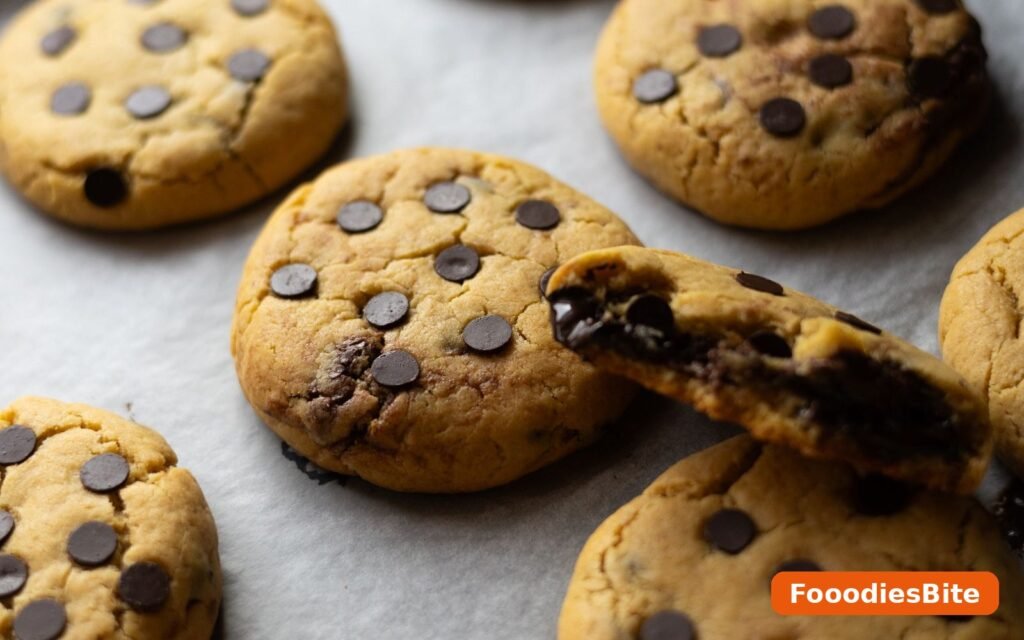
Start by whisking the melted butter and white sugar together in a medium bowl until they look smooth and slightly pale, about a minute by hand. It will not go fluffy the way creamed butter does, and that is fine — you are after a thick, glossy mixture. Whisk in the egg, the extra yolk, and the vanilla until everything is fully combined and the mixture looks a little like custard. Take a moment to scrape down the sides of the bowl; unmixed egg at the edges is a common cause of uneven cookies.
In a separate bowl, whisk the flour, baking soda, and salt together. Tip the dry ingredients into the wet mixture and stir with a wooden spoon or spatula just until no streaks of flour remain. This is the point where restraint matters: overmixing develops gluten and turns tender cookies tough. As soon as the flour disappears, stop. Fold in the chocolate chips, reserving a small handful to press into the tops of the cookies later — those visible chocolate puddles are not just for show, though they do look wonderful.
Cover the bowl and chill the dough in the fridge for at least thirty minutes, or up to overnight. While it chills, heat the oven to 175°C (350°F) and line a baking tray with baking paper. Scoop the dough into eight roughly equal balls, about two tablespoons each, and place them on the tray with plenty of space between them — these cookies spread, and crowded cookies bake into one giant cookie, which is not the worst outcome in the world but is not what we are aiming for. Press the reserved chocolate chips gently into the tops, and sprinkle with flaky salt if you like.
Bake for ten to twelve minutes, until the edges are golden and set but the centres still look slightly soft and underdone. This is the moment to trust the recipe rather than your eyes: cookies continue to cook on the hot tray after they leave the oven, and that carryover heat is what sets the centres without drying them out. Leave them on the tray for five minutes, then transfer to a wire rack. They will be soft, a little fragile, and extremely tempting. Give them at least a few minutes before you eat one, if only so the chocolate does not burn your mouth — though I understand completely if you do not manage it.
Variations Worth Trying
Once you have the base recipe down, it is easy to play with. Swap half the chocolate chips for chopped nuts — walnuts and pecans are both excellent — or add a handful of dried cranberries for a sharper, fruitier cookie. A teaspoon of instant coffee dissolved in the vanilla deepens the chocolate flavour without making the cookies taste of coffee, which is a trick worth knowing. For a warmer, spicier version, add half a teaspoon of cinnamon and a pinch of nutmeg to the dry ingredients.
You can also change the chocolate itself. Dark chocolate gives a more grown-up, less sweet cookie; milk chocolate makes it softer and sweeter, which children tend to prefer; a mix of both is, in my opinion, the best of both worlds. White chocolate chips with a handful of dried raspberries make a pretty, pink-flecked variation that looks lovely on a plate. And if you want a double chocolate cookie, replace two tablespoons of flour with cocoa powder and add an extra tablespoon of sugar — the dough will be darker, richer, and very hard to resist.
For a slightly different texture, try browning the butter before you start. Melt it in a light-coloured pan over medium heat, swirling occasionally, until it foams, turns golden, and smells nutty. Let it cool before using it, and you will get cookies with a toffee-like depth that almost makes up for the missing molasses on its own. It adds about ten minutes to the recipe, but on a slow afternoon it is a lovely upgrade. The background on how these cookies came to be is a fun read too — the story of the chocolate chip cookie is more interesting than you might expect — and the baking guides at King Arthur Baking are excellent if you want to go deeper into technique.
Serving Ideas
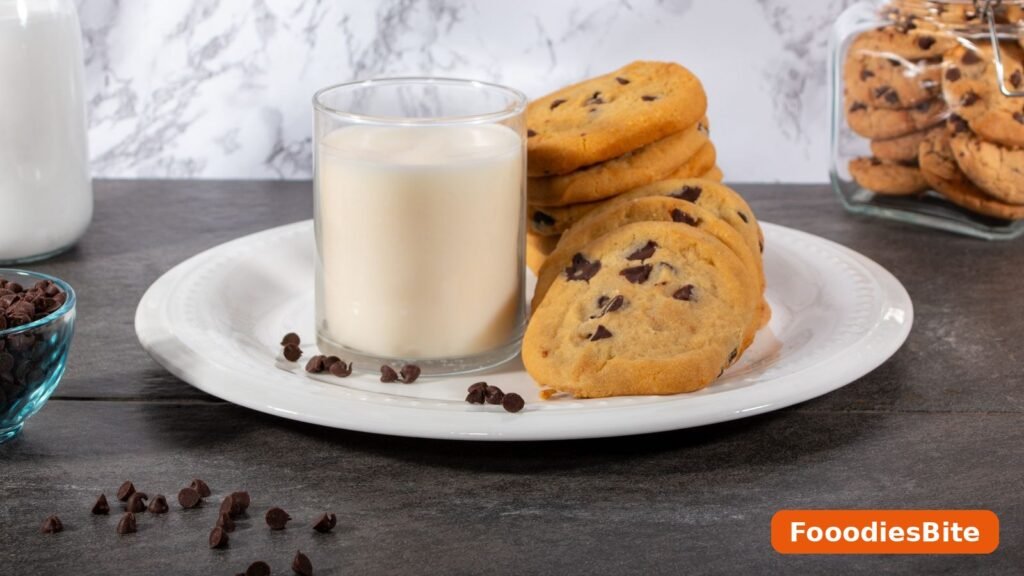
Warm cookies and cold milk is the classic pairing for a reason, and it needs no improvement. But these cookies are also wonderful slightly cooled and crumbled over vanilla ice cream, sandwiched around a scoop of ice cream for a quick ice cream sandwich, or packed into a lunchbox for the next day — if they last that long. They make a thoughtful little gift, too: stack four in a paper bag, tie it with string, and you have something far nicer than anything from a shop.
For a cosy afternoon, serve them with coffee, hot chocolate, or a pot of tea, and do not worry about presentation beyond a plain plate. If you fancy something savoury first, the crispy potatoes without breadcrumbs make a lovely contrast, and the easy chicken recipes without breading are a good place to start a whole meal before dessert. You can find plenty more ideas on the FooodiesBite homepage. Cookies are at their best when they feel homemade rather than staged, slightly uneven, with chocolate in unexpected places. If you are baking with children, let them press the chocolate chips into the tops and sprinkle the salt — it is the part they will remember, and it costs nothing.
A small batch also means you can bake more often without waste, which is a quiet joy in itself. Fresh cookies on a Tuesday, just because you felt like it, is one of life’s small pleasures, and it is worth protecting. Keep the ingredients on hand — butter, sugar, flour, eggs, chocolate — and this recipe becomes something you can make on impulse, which is exactly how the best baking happens.
Storage, Freezing, and Make-Ahead Tips
These cookies keep well in an airtight container at room temperature for two to three days, though the centres will firm up gradually. A brief ten seconds in the microwave brings a day-old cookie back to something close to fresh, with the chocolate melting again in the best way. Do not store them in the fridge, which dries them out faster than room temperature does.
The dough freezes beautifully, which is my favourite trick for small batch baking. Scoop the dough into balls, freeze them solid on a tray, then transfer to a freezer bag. You can bake them straight from frozen — just add two or three minutes to the baking time — which means a warm cookie is never more than fifteen minutes away. Label the bag with the temperature and time, because frozen dough balls all look identical and future you will not remember which recipe they were.
You can also make the dough the night before and keep it in the fridge, covered, for up to two days. In fact, a longer chill deepens the flavour, and some bakers swear the second-day dough makes a better cookie. If the dough feels very firm after a long chill, let it sit at room temperature for ten minutes before scooping so you are not fighting it with a spoon.
Troubleshooting: What Went Wrong?
If your cookies spread into thin, flat discs, the usual culprits are butter that was too warm, dough that was not chilled, or too little flour. Chill the dough longer next time, check your flour measurement, and make sure the butter was melted but not hot. If they came out puffy and cakey, you may have used too much flour or overmixed the dough — measure carefully and stir just until combined.
If the centres are raw while the edges are dark, your oven may run hot, or the cookies may be too large. An oven thermometer is a cheap and eye-opening purchase; many ovens are off by ten or twenty degrees. And if the cookies taste a little flat, add a touch more salt next time, or try browning the butter — both make a surprising difference to a simple white sugar dough.
One more common question is whether you can double the recipe. Yes, absolutely — just double everything, including the egg yolk, so two eggs plus two yolks in total. The baking time stays the same, though you will need two trays or two batches. If you are baking for a crowd, that is the way to do it, and nobody will ask whether there was brown sugar in them.
Frequently Asked Questions
Can I really make chocolate chip cookies without brown sugar?
Yes, completely. White sugar works well on its own, especially in this recipe, where melted butter and an extra egg yolk add back the moisture and chewiness that brown sugar usually provides. The cookies will be a little crisper at the edges and slightly less caramel-flavoured than a brown sugar version, but they are still soft in the middle and full of chocolate. Chilling the dough helps a lot with texture.
Why do my cookies spread too much?
The most common reasons are warm butter, unchilled dough, and too little flour. Chill the dough for at least thirty minutes, measure flour by spooning it into the cup rather than scooping, and make sure your baking tray is cool before you put the dough on it. A hot tray melts the butter before the cookies even reach the oven, which guarantees spreading.
Can I use salted butter instead of unsalted?
Yes. Use the same amount of salted butter and reduce the added fine salt from half a teaspoon to a quarter teaspoon. Taste is personal, so if you like a saltier cookie, keep the salt as written — but for most people, reducing it slightly keeps the balance right when the butter already contains salt.
How do I keep these cookies soft the next day?
Store them in an airtight container at room temperature, and add a slice of bread to the container if you like an old baker’s trick — the cookies draw moisture from the bread and stay softer for longer. A quick ten seconds in the microwave also revives a day-old cookie beautifully. Avoid the fridge, which tends to dry cookies out.
Can I freeze the cookie dough?
Yes, and it freezes very well. Scoop the dough into balls, freeze them on a tray until solid, then move them to a freezer bag for up to three months. Bake straight from frozen, adding two to three minutes to the baking time, until the edges are golden. It is the easiest way to have fresh cookies on demand.
What chocolate is best for these cookies?
Chopped chocolate from a bar melts into lovely puddles and is my first choice, but chocolate chips work perfectly well and hold their shape a little better. Dark chocolate gives a richer, less sweet cookie; milk chocolate is sweeter and softer. A mixture of the two is a good compromise, and you really cannot go wrong either way.