
Introduction
There are few dinners as reassuring as chicken and rice cooked together in one pan. It is the kind of meal that smells wonderful while it cooks, feeds everyone generously, and leaves you with exactly one pan to wash. No juggling three pots, no rice boiling over while the chicken finishes, no side dish going cold on the counter. Everything happens in the same skillet, and everything tastes better for it, because the rice soaks up all the flavour from the chicken as it cooks.
This recipe has become a weeknight staple in countless kitchens for good reason. It uses simple ingredients, it is forgiving if your timing is not perfect, and it adapts to whatever you have in the fridge. Swap the vegetables, change the seasoning, add cheese or herbs at the end — the basic method stays the same, and it works every time.
In this guide, you will find the full recipe, a clear step-by-step method, tips for getting fluffy rice rather than a stodgy mess, and plenty of variations for different tastes and dietary needs. Whether you are cooking for a family, for two, or for a week of lunches, this skillet dinner is one worth knowing by heart.
Why a Skillet Works So Well
A skillet, especially a large one with a lid, is the ideal pan for chicken and rice. It is wide enough that the chicken can brown properly without steaming, deep enough to hold the rice and stock, and it goes from hob to table without fuss if you have a nice one. A cast iron skillet is wonderful here, but any large, heavy, oven-safe pan with a tight-fitting lid will do the job.
The real advantage is flavour layering. When you brown chicken in a pan, it leaves browned bits stuck to the bottom. Those bits are concentrated flavour. When you then cook onion, garlic, and rice in the same pan, and pour in stock, those bits dissolve into the liquid and season everything. Rice cooked on its own in a separate pot never gets that benefit, which is why one-pan rice tastes richer and more interesting.
The other advantage is practical. One pan means less washing up, less clutter on the hob, and less to think about while you cook. On a busy night, that simplicity matters almost as much as the taste.
For more one-pan inspiration, browse the One-Pan & Skillet Meals collection, or start from the FooodiesBite homepage for the latest recipes.
Ingredients You Will Need
This recipe serves four generously, and it scales down easily for two. You will need:
- 600 to 700 grams of boneless chicken thighs or breasts, cut into bite-sized pieces
- 1 tablespoon of olive oil
- 1 onion, finely chopped
- 3 garlic cloves, minced
- 1 red pepper, diced
- 1 teaspoon of smoked paprika
- 1 teaspoon of dried oregano or thyme
- 300 grams of long grain rice, rinsed until the water runs clear
- 600 millilitres of chicken stock
- 1 tin of chopped tomatoes, or 200 grams of cherry tomatoes, halved
- Salt and pepper to taste
- A handful of frozen peas or sweetcorn, optional
- Fresh parsley and lemon wedges, to serve
That is the core recipe, and it is deliberately simple. The chicken, rice, stock, and seasoning do the heavy lifting. Everything else is flexible, and the variations section below shows how to change it up without breaking the method.
A note on rice: long grain rice, such as basmati, works best here because it stays fluffy and separate. Short grain rice tends to go sticky, which is lovely for risotto but not what you want in a skillet dinner. Rinsing the rice until the water runs clear removes excess surface starch and is the single best thing you can do to avoid a gloopy result.
Choosing the Right Chicken
Both thighs and breasts work in this recipe, but they behave slightly differently. Thighs are more forgiving: they stay juicy even if the rice takes a little longer than expected, and they add richness to the dish. Breasts are leaner and cook a little faster, but they can dry out if overcooked, so keep an eye on timing if you use them.
Bone-in thighs also work beautifully, and they add even more flavour, but they need a longer cooking time and they take up more room in the pan. If you use bone-in chicken, brown it well first, then allow an extra ten minutes of covered cooking time, and check the temperature carefully.
Cutting the chicken into even, bite-sized pieces matters more than which cut you choose. Even pieces cook evenly, which means no one gets a dry piece while someone else gets an undercooked one. Aim for pieces roughly the size of a large grape, and pat them dry before seasoning so they brown properly.
How to Make Chicken and Rice Skillet
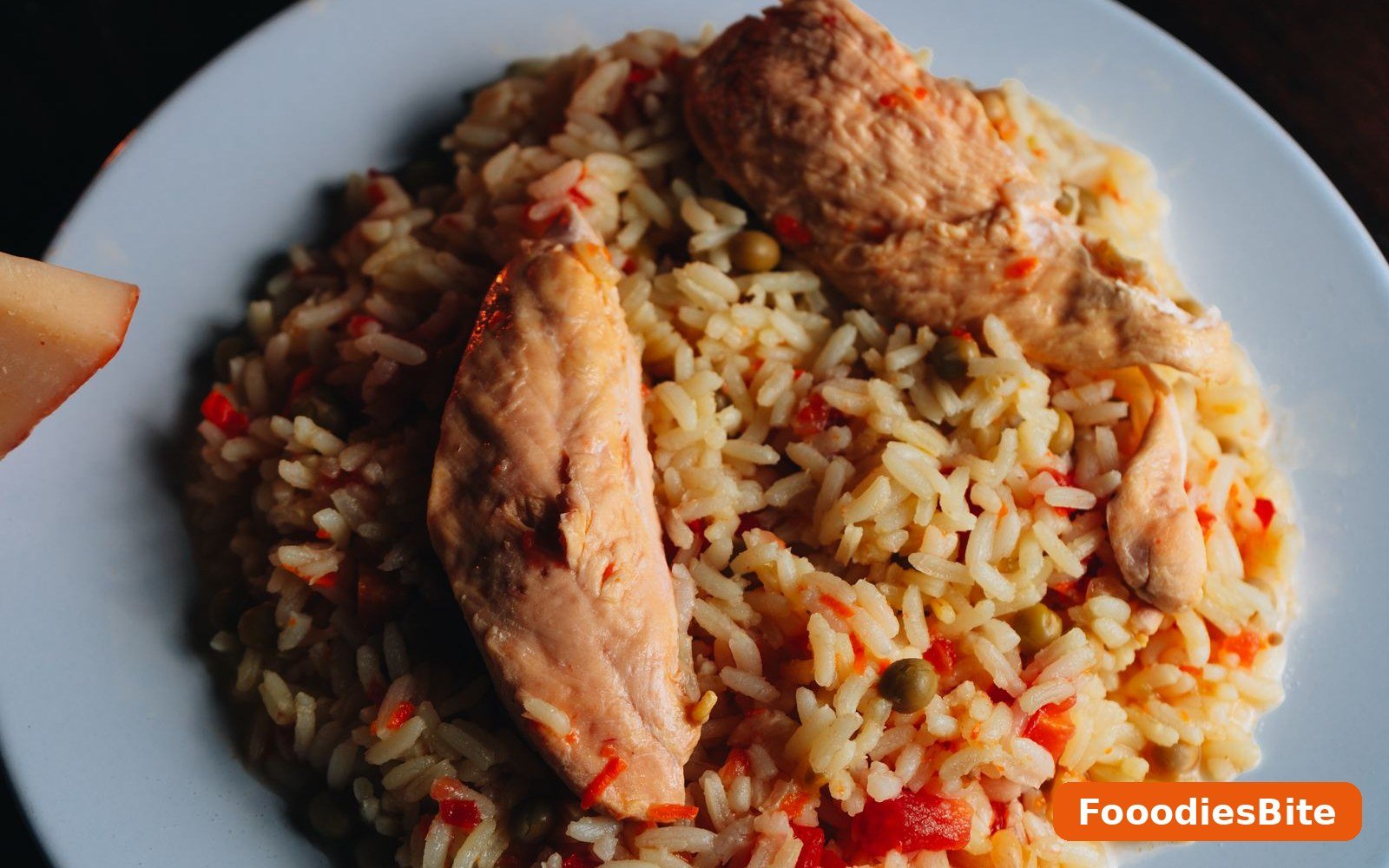
Heat the olive oil in a large skillet over medium-high heat. Season the chicken pieces generously with salt, pepper, and half the smoked paprika. When the oil shimmers, add the chicken in a single layer, leaving space between the pieces. Brown for about four to five minutes without moving it too much, then turn and brown the other side for another three to four minutes. The chicken does not need to be fully cooked at this stage; it will finish cooking with the rice. Remove it to a plate.
Lower the heat to medium. In the same pan, cook the onion for three to four minutes until softened, scraping up the browned bits from the bottom as you stir. Add the garlic, red pepper, remaining paprika, and oregano, and cook for another minute until fragrant. This is where the base flavour of the dish is built, so do not rush it.
Add the rinsed rice and stir for a minute or two, coating it in the oil and letting it toast very slightly. This step helps the grains stay separate. Pour in the chicken stock and the chopped tomatoes, stirring well and scraping the bottom of the pan once more. Season with salt and pepper, remembering that stock varies in saltiness, so taste and adjust.
Return the chicken to the pan, nestling the pieces into the rice. Bring everything to a gentle simmer, then cover with a tight-fitting lid and reduce the heat to low. Cook for twenty to twenty-five minutes without lifting the lid. This is the hardest part, because it is tempting to peek, but every time you lift the lid, steam escapes and the rice takes longer to cook.
After twenty minutes, turn off the heat and leave the pan covered for another five to ten minutes. This resting time lets the rice finish absorbing the liquid and firm up. If you are adding peas or sweetcorn, stir them in now and let the residual heat cook them through.
Remove the lid, fluff the rice gently with a fork, and check that the chicken is cooked through — 74°C in the thickest piece, or white all the way through with clear juices. Scatter with fresh parsley, squeeze over a little lemon, and serve straight from the pan. It is a dinner that looks as good as it tastes, which is a rare and welcome combination.
For another simple chicken dinner, try Simple Chicken Dinner for Two or the freezer-friendly ideas in Easy Meals With Frozen Chicken.
Getting the Rice Right
Rice is where most skillet dinners succeed or fail, and the difference usually comes down to three things: rinsing, liquid ratio, and patience.
Rinsing removes surface starch that makes rice gluey. Put the rice in a bowl, cover with cold water, swish it around, drain, and repeat until the water is mostly clear. It takes a couple of minutes and it transforms the result.
The liquid ratio in this recipe — 600 millilitres of stock to 300 grams of rice, plus the tomatoes — works because the tomatoes add liquid too, and the lid keeps steam in. If you leave the tomatoes out, add an extra 100 millilitres of stock. If your pan is very wide and shallow, liquid evaporates faster, so check a little earlier and add a splash of stock if the rice looks dry before it is tender.
Patience is the third ingredient. Resist lifting the lid, resist stirring halfway through, and always rest the rice after cooking. Stirring releases starch and breaks grains, which is exactly how you end up with a stodgy pan. A fork, used gently at the end, is all the stirring this dish needs.
If the rice is still a little firm after resting, replace the lid and give it another five minutes off the heat. The residual steam will usually finish it. If it is slightly wet, leave the lid off for a few minutes and let the excess steam escape. Both problems are fixable, which is part of why this recipe is so forgiving.
Variations Worth Trying
Once you know the basic method, this skillet adapts to almost any taste.
For a Mediterranean version, use oregano, lemon zest, and a tin of tomatoes, then stir in olives and crumbled feta at the end. Serve with a green salad and warm bread. It is bright, salty, and very summery.
For a Mexican-inspired version, use cumin, chilli powder, and smoked paprika, add a tin of black beans and sweetcorn with the rice, and finish with lime juice, coriander, and grated cheese. Serve with sour cream and tortilla chips for scooping.
For a creamy version, stir in a generous splash of cream and a handful of grated parmesan at the end, along with spinach, and let it wilt into the rice. It is richer and more comforting, and it works beautifully on cold evenings.
For a vegetable-packed version, add mushrooms, courgette, carrots, or green beans with the peppers, and use vegetable stock instead of chicken stock for a lighter dish. The method stays exactly the same; only the contents of the pan change.
For a spicy version, add a chopped chilli with the garlic, or a teaspoon of chilli flakes, and finish with hot sauce at the table. The rice softens the heat nicely, so this is a good way to enjoy spice without it overwhelming the dish.
Serving Ideas and Easy Sides
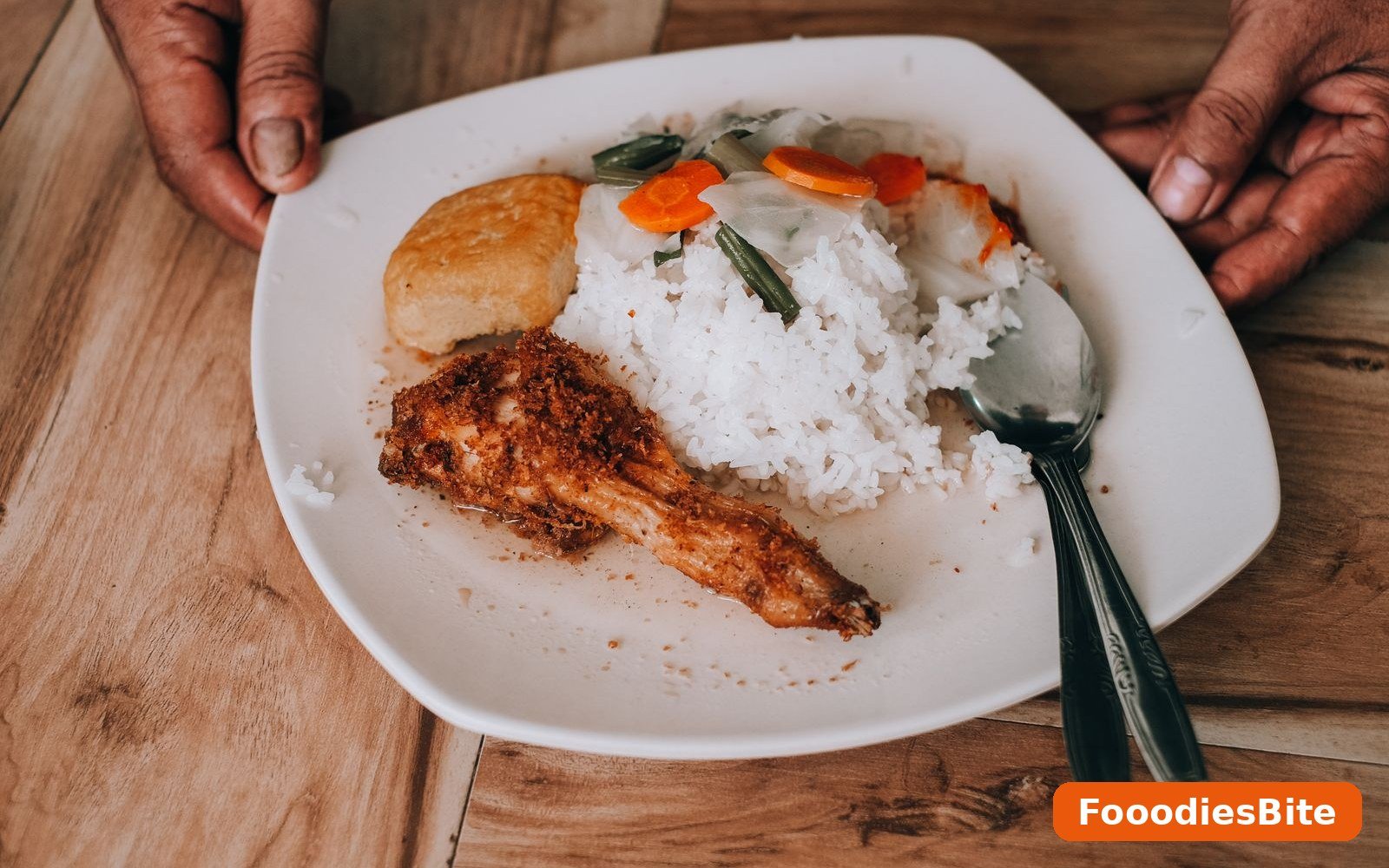
This skillet is a complete meal on its own, which is part of its charm, but a few simple sides make it feel even more generous. A green salad with lemon dressing cuts through the richness and adds freshness. Warm bread is excellent for scooping up any remaining rice and sauce. A simple yoghurt sauce — natural yoghurt with lemon juice, garlic, and a pinch of salt — cools down spicier versions beautifully.
For drinks, anything light works: sparkling water with lemon, a cold beer, or a simple white wine if that is your preference. The dish is hearty but not heavy, so it pairs well with something refreshing rather than something rich.
Serving straight from the pan, at the table, adds to the experience. It feels communal and relaxed, and it saves yet another dish. Just remember the pan handle will be hot, so use a cloth or a handle cover, and warn everyone before they reach for it.
Timing and Portion Guide
| Step | Approximate time |
|---|---|
| Browning the chicken | 7–9 minutes |
| Softening onion and peppers | 4–5 minutes |
| Covered rice cooking | 20–25 minutes |
| Resting time | 5–10 minutes |
| Total | About 40–45 minutes |
For portions, 600 to 700 grams of chicken with 300 grams of rice serves four adults generously, or two adults with excellent leftovers for lunch. To serve two, halve everything and use a smaller skillet, keeping the cooking time roughly the same. To serve six, increase the chicken to about a kilogram and the rice to 450 grams, with 900 millilitres of stock, and use your largest pan.
Common Mistakes to Avoid
The most common mistake is lifting the lid too often. Every peek lets out steam and drops the temperature, which extends the cooking time and can leave the rice unevenly cooked. Trust the timer, trust the lid, and check only at the end.
Using the wrong rice is another frequent problem. Short grain or risotto rice will go sticky and heavy in this recipe, no matter how carefully you cook it. Long grain rice is the right choice, and rinsing it first makes a genuine difference.
Overcrowding the pan when browning the chicken is also worth avoiding. If the chicken pieces are packed together, they steam instead of browning, and you lose the flavour that browning creates. Brown in batches if your pan is small; it takes a few extra minutes, but the result is noticeably better.
Finally, do not skip the resting time. Rice straight off the heat is still absorbing liquid and settling. Five to ten minutes covered, off the heat, is what turns good rice into fluffy rice. It is a small wait for a big improvement.
Storing and Reheating Leftovers
Chicken and rice skillet keeps beautifully. Store leftovers in a sealed container in the fridge for up to three days. It is excellent for lunch the next day, either reheated or eaten at room temperature in warmer weather.
To reheat, add a splash of water or stock to stop the rice drying out, cover, and heat gently on the hob or in the microwave until piping hot all the way through. Stir halfway through reheating to distribute the heat evenly. If you are reheating rice, it is important to cool leftovers quickly after cooking, refrigerate promptly, and reheat only once — standard rice safety that is worth following every time.
You can also freeze portions of this dish for up to two months. Cool completely, portion into freezer bags or containers, and defrost overnight in the fridge before reheating. It is a genuinely useful freezer meal, and one that tastes almost as good reheated as it did fresh.
For background on the dish’s ingredients, rice on Wikipedia covers the grain’s history and varieties, and BBC Good Food’s chicken recipes offer more tested chicken dinners in a similar style.
Frequently Asked Questions
Can I use brown rice in this skillet recipe?
Yes, but you will need more liquid and more time. Brown rice typically needs about forty-five minutes of covered cooking and roughly one and a half times the liquid of white rice. Add extra stock, keep the lid on, and check tenderness before serving. The result is nuttier and heartier, which many people prefer.
Why is my rice sticky or mushy?
The most common causes are unrinsed rice, too much liquid, or stirring during cooking. Rinse until the water runs clear, measure the stock carefully, and do not lift the lid or stir until the resting time is over. Using long grain rice rather than short grain rice also makes a big difference.
Can I make this recipe with bone-in chicken?
Yes. Brown bone-in thighs well, then allow an extra ten minutes of covered cooking time. Check the temperature in the thickest part, near the bone, and look for 74°C. Bone-in chicken adds flavour and stays juicy, so it is a great choice if you have the time.
Is this recipe gluten-free?
It can be, as long as your chicken stock is gluten-free. Rice, chicken, vegetables, and tomatoes are naturally gluten-free, so just check the stock label. Most good-quality stocks are fine, but it is always worth a quick look.
Can I prepare this dish in advance?
You can prepare the components ahead: chop vegetables, cut and season chicken, and measure rice and stock. The dish itself is best cooked fresh, since rice does not hold well for hours. Leftovers, however, reheat very well, so cooking a double batch for the next day is a smart move.
What pan should I use for a chicken and rice skillet?
A large, deep skillet with a tight-fitting lid is ideal. Cast iron is excellent because it holds heat evenly, but any heavy pan with a lid works. The key requirements are size — large enough that the chicken browns without crowding — and a lid that fits well enough to trap steam while the rice cooks.
Pingback: Garlic Butter Chicken Bites with Creamy Parmesan Pasta – FooodiesBite
Pingback: One-Pan Creamy Tuscan Salmon – FooodiesBite