
Introduction
Leftover rice has a reputation problem. It sits in the fridge in a plastic container, a little dry around the edges, and it looks like nothing much. Most people either reheat it plainly, which is dull, or throw it away, which is a waste. Yet leftover rice is one of the most useful ingredients you can have on hand, especially when there is chicken involved. In fact, some of the best chicken and rice dishes in the world were invented precisely because the rice was already cooked.
The reason is simple, and it comes down to texture. Freshly cooked rice is soft, steamy, and delicate. It falls apart if you fry it and turns to mush if you stir it too much. Day-old rice, on the other hand, has dried out just enough to hold its shape. The grains stay separate, they crisp up beautifully in a hot pan, and they soak up sauce without collapsing. That is why restaurants and home cooks alike prefer cold rice for fried rice, and why a container of yesterday’s rice is actually a head start, not a problem to solve.
This post gathers the chicken recipes that make the most of leftover rice, from the classic fried rice everyone should know, to crispy rice patties, stuffed peppers, a warming soup, and a quick rice bowl that comes together in minutes. Some use leftover chicken, some use freshly cooked chicken, and all of them treat the rice as an asset rather than an afterthought. If you often cook too much rice, and honestly most of us do, these ideas will change the way you think about that container in the fridge.
There is also a practical side to this that matters. Rice is inexpensive, but wasting food is not, and turning leftovers into a genuinely good dinner feels better than ordering takeaway for the third night in a row. These recipes are fast, they are forgiving, and they are the kind of food that works on ordinary weeknights, when nobody has the energy for a project but everyone still wants something tasty.
Handling Leftover Rice Safely
Before any recipe, a quick word on safety, because rice deserves more care than most leftovers. Cooked rice should be cooled quickly, ideally within an hour, and stored in the fridge in a shallow, airtight container. Eat it within a day if you want to be cautious, and certainly within two days, and reheat it only once, until it is steaming hot throughout. Do not leave cooked rice out on the counter all evening, and do not reheat the same portion twice.
When you reheat rice for a dish like soup or a skillet, the cooking itself does the reheating, so you can add cold rice straight from the fridge. For fried rice, cold rice is actually an advantage. The grains are firm and separate, which is exactly what you want. If your rice has dried out a lot, a splash of water or broth while reheating will bring it back, but for fried rice, dryness is your friend, so use it as it is.
Freezing cooked rice is also worth knowing about. Portion it into freezer bags, flatten them so they stack neatly, and freeze for up to a month. Thaw overnight in the fridge, and you have instant rice for any of the recipes below. It is one of the easiest ways to make weeknight cooking faster, and it means that even rice cooked for a different meal can become tomorrow’s dinner with very little effort.
Chicken Fried Rice: The Classic for a Reason
Fried rice is the first recipe most people think of, and it is first for a reason. It is fast, it is flexible, and it turns a small amount of chicken and a container of rice into a meal that feels complete. The method matters more than the exact ingredients, so learn the sequence and then adapt it to whatever you have.
You will need about four cups of cold cooked rice, a pound of chicken cut into small pieces, or two cups of cooked shredded chicken, an onion, two eggs, a cup of vegetables such as peas, carrots, or peppers, soy sauce, and oil. Garlic, ginger, spring onions, and sesame oil are all welcome, but the dish works without them if the cupboard is bare.
How to Make Chicken Fried Rice With Leftover Rice
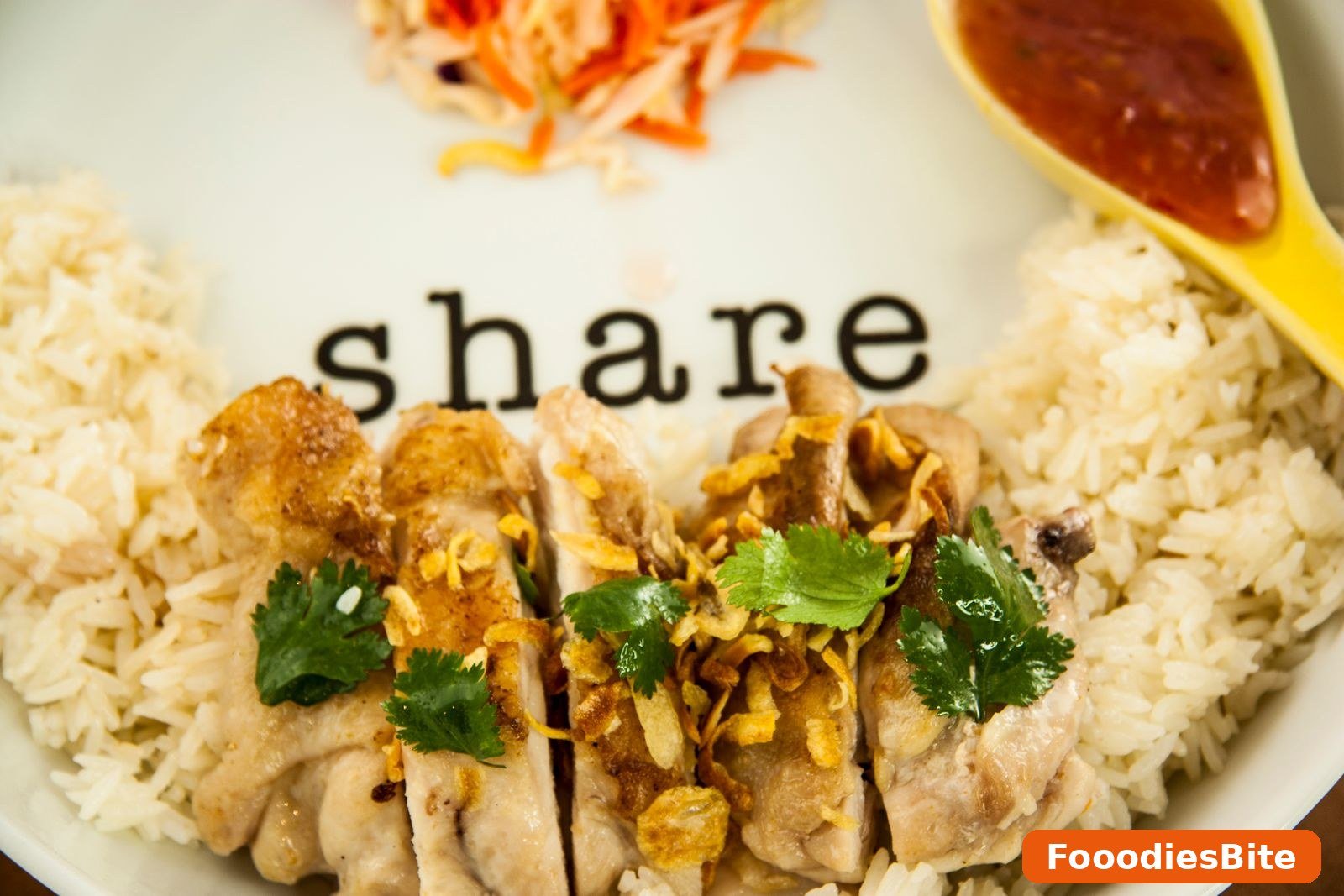
If you are using raw chicken, start by cooking it first. Heat a large skillet or wok over high heat, add a tablespoon of oil, and cook the chicken pieces in a single layer until browned and cooked through, about five to six minutes. Remove the chicken to a plate and set it aside. If you are using cooked chicken, skip this step entirely and keep the chicken ready to add at the end.
In the same hot pan, add a little more oil and cook the diced onion for two minutes until softened. Add garlic and ginger if you are using them, and stir for thirty seconds until fragrant. Push everything to one side of the pan, pour in the beaten eggs, and scramble them quickly into small pieces. This takes barely a minute, and the eggs should stay soft rather than browned.
Add the vegetables and cook for two to three minutes, stirring often. Now add the cold rice, breaking up clumps with your spoon. Press the rice into the pan and let it sit undisturbed for a minute so some grains crisp against the hot surface. Stir, press again, and repeat. This pressing and resting is the step that gives fried rice its character, so do not skip it in favour of constant stirring, which just steams the rice.
Pour soy sauce around the edges of the pan and toss everything together. Add the chicken, whether freshly cooked or leftover, and toss for one to two minutes until heated through. If you are using leftover chicken, this brief warming is all it needs. Longer cooking will dry it out. Finish with sesame oil and spring onions, taste, and adjust the seasoning. Serve immediately, while the rice is still crisp in places and the chicken is tender.
The variations are endless. Add a spoonful of chilli sauce for heat, a handful of cashew nuts for crunch, or a fried egg on top for a heartier plate. Pineapple chunks make a sweet and sour version that children often love, and a splash of lime juice at the end brightens the whole pan. Once you are comfortable with the method, fried rice becomes less of a recipe and more of a habit, which is exactly what weeknight cooking should be.
Crispy Chicken and Rice Patties
If fried rice feels too familiar, crispy patties are a wonderful change. They use the same ingredients in a completely different form, and they are particularly good for lunches and for children who like food they can pick up. Cold rice binds well, which is another reason leftover rice suits this recipe better than fresh rice.
Mix two cups of cold cooked rice with a cup of finely chopped cooked chicken, one beaten egg, two sliced spring onions, and a handful of grated cheese if you like. Season with salt, pepper, and a pinch of garlic powder, and mix until the mixture holds together when squeezed. If it feels too wet, add a tablespoon of breadcrumbs or flour. If it feels too dry, add another egg yolk or a splash of milk.
Shape the mixture into small, flat patties, about the size of your palm, and chill them for fifteen minutes if you have time. This helps them hold together in the pan. Heat oil in a skillet over medium-high heat and cook the patties for three to four minutes on each side, until golden and crisp. Do not move them around too much in the first couple of minutes, or they will break apart. Let a crust form, then turn them once.
Serve the patties with a dipping sauce, such as sweet chilli sauce, yoghurt with lemon and herbs, or a simple soy and honey dip. They are good hot from the pan, good at room temperature in a lunchbox, and good the next day reheated in a dry pan to crisp them up again. For a lighter meal, serve them on salad leaves with sliced tomato and cucumber. For a heartier dinner, serve them with steamed vegetables and a sauce on the side.
Stuffed Peppers and Rice Bowls
Stuffed peppers are another excellent use for leftover rice, and they have the advantage of looking like you made a real effort, even though the filling is mostly things you already had. Cut the tops off four bell peppers and remove the seeds. Mix two cups of cooked rice with a cup of chopped cooked chicken, a can of drained tomatoes or a cup of tomato sauce, a diced onion cooked until soft, and seasoning. Add cheese if you like, though it is optional.
Fill each pepper generously, place them upright in a baking dish, and cover with foil. Bake at 375 degrees Fahrenheit for about thirty minutes, then remove the foil, scatter cheese on top if you are using it, and bake for another ten minutes until the peppers are tender and the tops are golden. The rice absorbs the tomato juices as it bakes, the chicken stays moist inside the pepper, and the whole dish feels substantial and complete.
Rice bowls are the faster cousin of stuffed peppers. Warm the rice, add sliced or shredded chicken, and top with whatever vegetables and sauces you have. A bowl with rice, chicken, sweetcorn, black beans, salsa, and cheese is a Mexican-inspired dinner that takes ten minutes. A bowl with rice, chicken, cucumber, carrot, and peanut sauce is a lighter, fresher option. The bowl format is forgiving, it suits different appetites, and it is ideal when everyone in the house wants something slightly different, because each person can build their own.
Chicken and Rice Soup With Leftover Rice
Soup is the gentlest way to use leftover rice, and it is the recipe I reach for when someone is unwell or the weather has turned cold. The rice goes in near the end, so it warms through without turning to mush, and the chicken, if it is already cooked, only needs a few minutes in the hot broth.
Start with a litre of good chicken broth in a pot. Add a diced onion, two carrots, and two sticks of celery, and simmer for about fifteen minutes until the vegetables are tender. Add two cups of cooked rice and a cup or two of shredded chicken, and simmer gently for five minutes more. Season with salt and pepper, add a squeeze of lemon juice, and finish with fresh parsley or dill. The lemon is not optional in my view. It lifts the whole soup and stops it from tasting flat.
If you are using raw chicken, poach it in the broth first, remove it, shred it, and return it to the pot with the rice. That method gives you both the chicken and a richer broth in one pot. Either way, the soup is ready in about half an hour, it reheats well for a day or two, and it is the kind of food that feels caring without requiring much effort. Serve it with warm bread, and you have a complete, comforting meal.
More Ideas for the Rice Container
Beyond the main recipes, there are several smaller ideas that use leftover rice and chicken well. A rice frittata, where rice, chicken, vegetables, and beaten eggs are cooked together in a skillet and finished under the grill, makes a good brunch or light dinner. Rice can be stirred into a simple chicken curry at the end, instead of serving the curry over rice, which makes a thicker, more stew-like dish that is easy to transport.
Leftover rice also works in salads, once it has cooled completely. Toss it with shredded chicken, chopped vegetables, herbs, and a lemon and olive oil dressing for a grain salad that keeps well in the fridge and makes a good packed lunch. Add chickpeas or beans for extra substance, and toasted nuts for crunch. The key is to dress the salad just before eating if you want the vegetables to stay crisp, or to dress it ahead if you prefer the flavours to meld.
For a snack-like option, small rice and chicken balls, similar to the patties but rounder and baked instead of fried, are popular with children and useful for lunchboxes. Roll the mixture into balls, roll them in breadcrumbs, and bake until crisp. They are not fancy, but they disappear quickly, which is the best review any lunchbox food can get.
Serving Ideas
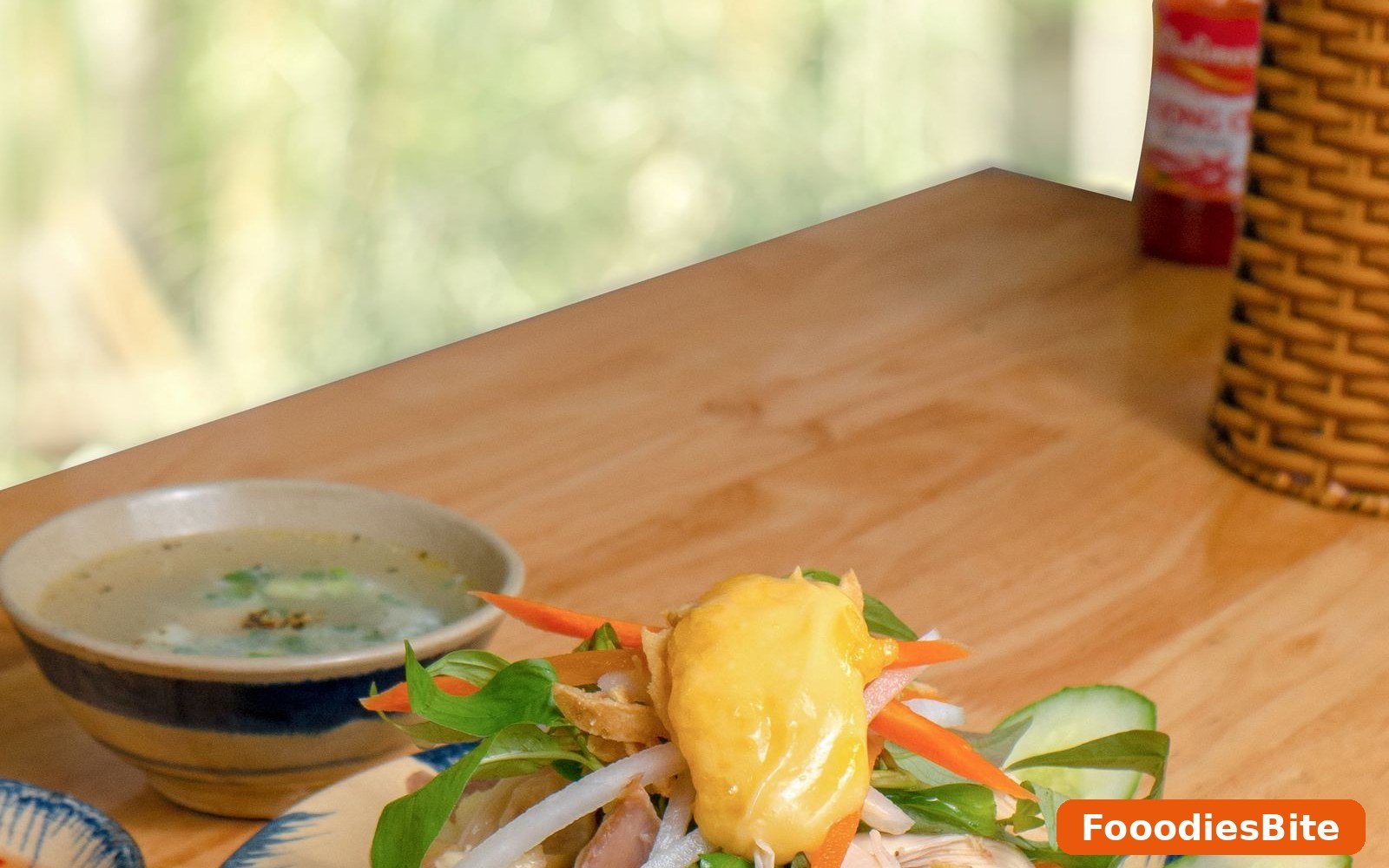
Serving these dishes well is mostly about contrast. Fried rice benefits from something fresh and crunchy on the side, such as a cucumber salad, pickled vegetables, or a simple slaw. The cool crunch balances the warm, savoury rice, and the plate feels complete rather than one-note. A bowl of chilli sauce, some lime wedges, and a dish of crispy onions on the table let everyone adjust their own serving, which is especially helpful when cooking for a mixed group.
Stuffed peppers and patties both suit a green salad and a simple sauce. A yoghurt and herb sauce is cooling and fresh, while a tomato salsa adds brightness. For soup, warm bread is almost essential, and a sprinkle of fresh herbs on top makes the bowl look inviting. Rice bowls, by their nature, are served as they are, but a topping bar of nuts, seeds, herbs, and sauces turns a simple bowl into something that feels generous and fun.
If you are planning ahead, think about which dish suits the rice you have. A large container of plain rice suits fried rice or a grain salad. A smaller amount stretches further in soup or stuffed peppers, where other ingredients share the plate. And if you have both leftover rice and leftover chicken, you are in the best position of all. Start with the FooodiesBite homepage for fresh ideas, browse the Chicken Recipes archive for more chicken dinners, and see Easy Rice Recipes With Leftover Chicken for the other side of the same coin. For a from-scratch version, One Pot Chicken and Rice Without Soup is the place to start.
Frequently Asked Questions
Is it safe to reheat leftover rice?
Yes, provided it was cooled quickly and stored properly. Cool cooked rice within an hour, refrigerate it in an airtight container, and eat it within one to two days. Reheat it only once, until steaming hot throughout, and never leave it out at room temperature for hours. In fried rice and soups, the cooking process reheats the rice thoroughly, which is why those dishes are such good uses for it. If rice smells off or you are unsure how long it has been stored, discard it.
Can I use brown rice instead of white rice?
Brown rice works well in most of these recipes, though it is chewier and nuttier than white rice. It holds up particularly well in grain salads and stuffed peppers, where its texture is an advantage. For fried rice, brown rice is fine, but it may need a splash more sauce or oil to feel moist, because it absorbs less liquid than white rice. The general background on rice on Wikipedia covers the differences between varieties and why they behave differently when cooked and reheated.
Do I need leftover chicken, or can I use fresh chicken?
Both work, and the recipes note where the timing changes. Fresh chicken should be cooked first in fried rice, or poached in soup, while leftover chicken should be added at the end and warmed gently. Using fresh chicken takes a little longer, but it gives you more control over seasoning. Using leftover chicken is faster and reduces waste. Choose whichever suits the day you are having. The dish will be good either way.
Why is cold rice better for fried rice?
Cold rice has dried out slightly in the fridge, so the grains are firm and separate. When they hit a hot pan, they crisp up instead of steaming into a soft mass. Fresh rice, by contrast, is moist and delicate, and it tends to clump and turn mushy when fried. If you only have fresh rice, spread it on a tray and cool it completely before frying, or chill it for an hour. That drying step makes a real difference to the finished dish.
How long will chicken and rice dishes keep?
Most cooked chicken and rice dishes keep for three to four days in the fridge in airtight containers, and for up to two months in the freezer. Cool them quickly after cooking, portion them for easy reheating, and reheat until steaming hot, adding a splash of water or broth to loosen the rice if needed. Grain salads with fresh vegetables are best eaten within two days, before the vegetables lose their crunch.
What else can I add to use up small leftovers?
Almost anything. A handful of peas, half a pepper, a few mushrooms, the last of a bag of spinach, a spoonful of corn, or a few olives can all find a home in fried rice, a rice bowl, or soup. The trick is to add vegetables that need cooking early, and fresh or pickled toppings at the end. For a broad overview of what to make when both chicken and rice are already cooked, the guide to chicken and rice combinations from Pantry Bliss is a useful companion to this post, and it covers several variations not detailed here.
Pingback: One Pot Chicken and Rice Without Soup: Easy, Flavorful, and Comforting – FooodiesBite