
Introduction
Leftover chicken is one of the quiet gifts of home cooking. You roast a chicken on Sunday, or you buy a rotisserie chicken because the day got away from you, and suddenly Monday’s dinner is half done before you even start. The trouble is that cold chicken on its own, eaten straight from the fridge while standing in the kitchen, feels more like a chore than a meal. It needs a second act. Rice gives it one.
Rice is the perfect partner for leftover chicken for a very practical reason. It is cheap, it is almost always in the cupboard, and it turns a modest amount of meat into a proper, filling meal. A couple of cups of shredded chicken that would barely feed two people on their own can stretch to feed four once rice, vegetables, and a good sauce join the pan. That is not just good cooking. On a busy week, it is good sense, and it means less food ends up thrown away.
This post is not about one single recipe, though it does include a full, detailed fried rice you can make tonight. It is about the handful of rice dishes that actually work with chicken that is already cooked, and about the small techniques that stop leftover chicken from tasting tired. The golden rule is simple: because the chicken is already cooked, it should go in late and heat through gently, not cook again from scratch. Boil it, fry it hard for twenty minutes, or simmer it endlessly, and it will turn dry and stringy. Warm it in a sauce, toss it through hot rice, or fold it into a soup at the end, and it stays tender and tastes like it was meant to be there.
I cook this way a lot, not because I am particularly organised, but because I am not. I am the person who forgets to plan dinner and then opens the fridge hoping for inspiration. Leftover chicken and rice has saved me more times than I can count, and over the years I have learned which combinations are genuinely quick, which ones children actually eat without complaint, and which ones are worth keeping in a regular rotation. These are those recipes.
What Counts as Leftover Chicken, and How to Keep It Good
Almost any cooked chicken works here. Roast chicken, grilled chicken breasts, rotisserie chicken, poached chicken, even the meat from chicken thighs cooked the night before. Dark meat tends to stay juicier when reheated, which is why rotisserie chicken and thigh meat are such good leftovers, but breast meat is fine too as long as you treat it gently and do not overheat it.
Storage matters, and it is worth getting right because it affects both safety and flavour. Cool leftover chicken within two hours of cooking, store it in an airtight container in the fridge, and use it within three to four days. If you know you will not use it in that window, freeze it in a portioned bag, with as much air pressed out as possible, and it will keep well for two to three months. Thaw it overnight in the fridge, not on the counter, and reheat it only once, until it is steaming hot throughout.
Shredding or slicing the chicken while it is still slightly warm is easier than doing it cold from the fridge, so if you have a minute after Sunday dinner, pull the meat off the bones then and store it ready to use. It makes weeknight cooking noticeably faster, and it means you are not wrestling with a cold carcass at six o’clock on a Tuesday. Keep any skin separate if you like crispy bits. A handful of skin, crisped in a dry pan, makes a wonderful topping for rice bowls, though it is entirely optional.
One more practical point: taste your chicken before you season the dish. Leftover roast chicken is often already well seasoned, and rotisserie chicken can be quite salty. If you add the full amount of soy sauce or salt without tasting first, the finished dish can easily tip over into too salty. Start with a little less seasoning than you think you need, taste, and adjust at the end. Your future self, eating a perfectly seasoned bowl of fried rice, will be grateful.
The Recipes That Actually Work
Not every rice dish suits leftover chicken, and it helps to know which ones do before you start. Fried rice is the obvious champion, and for good reason. It is fast, it uses cold rice beautifully, and the chicken only needs a couple of minutes in the hot pan. A rice bowl is the next best thing, especially for lunches, because you can build it from whatever is in the fridge and finish it with a sauce that pulls everything together.
Chicken and rice soup is a gentler option, perfect for colder days or when someone in the house is feeling under the weather. The chicken goes in at the very end, just long enough to warm through in the hot broth, so it stays tender. A cheesy rice skillet, where cooked rice and chicken are warmed with vegetables and a handful of cheese until everything melts together, is the kind of dinner children ask for again, and it uses one pan. And a simple curried rice, with a spoonful of curry paste and a splash of coconut milk, turns plain leftovers into something that tastes completely different from the roast dinner they came from.
The trick with all of these is the same. The rice and the sauce do the heavy lifting, and the chicken is a guest, not the workhorse. Once you get comfortable with that idea, you can improvise freely. If you have rice and chicken, you have dinner. Everything else is a bonus.
How to Make Leftover Chicken Fried Rice
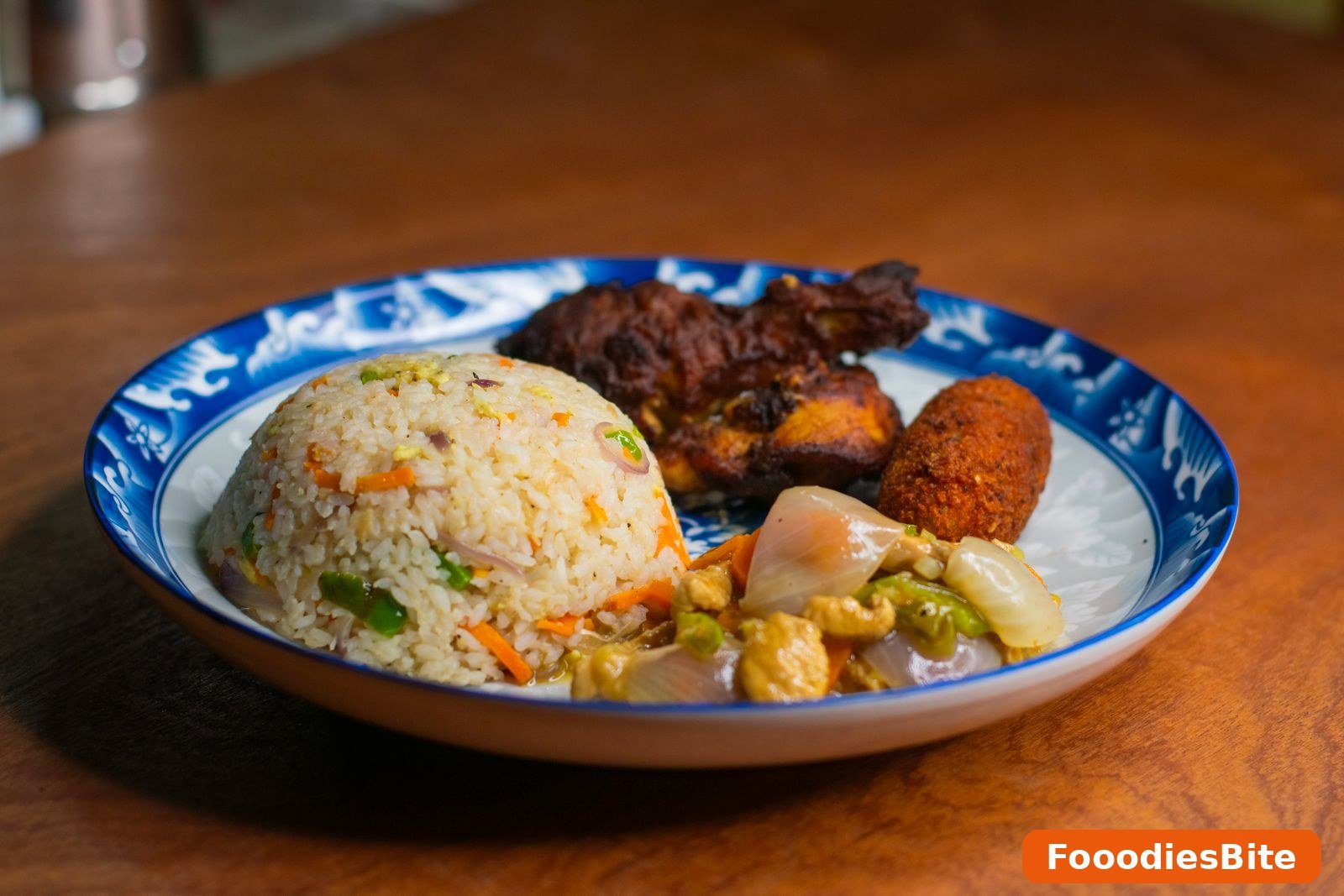
This is the recipe I make most often, and it is worth learning properly because it is endlessly adaptable. You need cold, day-old rice if possible. Freshly cooked rice is too soft and steamy, and it will turn to mush in the pan. If you only have fresh rice, spread it on a tray and let it cool completely, or even chill it for an hour, before you start. The grains should feel dry and separate in your hand.
For four servings, you will need about four cups of cold cooked rice, two cups of shredded leftover chicken, two eggs, one diced onion, two sliced spring onions, a cup of frozen peas and carrots or mixed vegetables, three tablespoons of soy sauce, a tablespoon of oyster sauce if you have it, a teaspoon of sesame oil, and a tablespoon of neutral oil for the pan. Garlic and ginger are welcome additions, a clove or two of garlic and a small piece of grated ginger, but they are not essential if you are in a hurry.
Heat a large skillet or wok over high heat until it is genuinely hot. Add the oil, then the onion, and cook for two minutes until it softens. Push the onion to one side, pour in the beaten eggs, and scramble them quickly, breaking them into small pieces. This should take barely a minute. Add the frozen vegetables and cook for another two minutes, stirring often, until they are heated through.
Now add the rice, breaking up any clumps with your spoon as you go. Press it into the pan in an even layer and let it sit for a minute without stirring, so some of the grains crisp up against the hot surface. That little bit of crispness is what separates good fried rice from a sad, steamy pile. Stir, press again, and repeat once or twice. Pour the soy sauce and oyster sauce around the edges of the pan, not straight onto the rice, and toss everything together so the sauce coats the grains evenly.
Finally, add the shredded chicken and toss for just one to two minutes, until it is heated through. Drizzle over the sesame oil, scatter the spring onions, and taste. Add a little more soy sauce if it needs it, or a squeeze of lime if you want brightness. Serve immediately. From the moment the pan gets hot to the moment you sit down, this takes about fifteen minutes, and it is one of the most satisfying quick dinners I know.
Rice Bowls: The Easiest Lunch You Will Make All Week
If fried rice is the weeknight hero, the rice bowl is the lunchbox champion. Start with warm rice in a bowl, add your shredded chicken, and then add whatever vegetables you have. Shredded carrot, sliced cucumber, sweetcorn, edamame, and pickled red onion all work well, and they add colour and crunch without any cooking at all. A handful of salad leaves underneath the rice keeps the bowl feeling fresh rather than heavy.
The sauce is what makes a bowl feel like a meal rather than a collection of leftovers. A simple peanut sauce, made by whisking peanut butter with soy sauce, lime juice, a little honey, and warm water until it is pourable, is wonderful with chicken and rice. A soy, ginger, and sesame dressing is lighter and just as good. Or keep it very simple with a drizzle of chilli sauce and a squeeze of lime. Make the sauce in a small jar, keep it in the fridge, and you have instant flavour for several bowls across the week.
Rice bowls are also the best way to use up small amounts of several things at once. Half a pepper here, a few spoonfuls of corn there, the last of a bag of spinach wilted in the microwave. Nothing needs to match perfectly. The bowl is forgiving, it travels well if you keep the sauce separate, and it is the kind of lunch that makes colleagues ask where you bought it. For more chicken ideas in the same spirit, the Chicken Recipes archive is worth a browse, and the FooodiesBite homepage gathers the latest recipes in one place.
Chicken and Rice Soup, and Other Gentle Options
Sometimes you do not want fried or spicy food. You want something warm, gentle, and easy on a tired stomach. Chicken and rice soup fits that mood perfectly. Start with a pot of good chicken broth, add a diced onion, carrot, and celery, and simmer until the vegetables are tender. Stir in a cup or two of cooked rice, then add the shredded chicken and heat through for just a few minutes. Finish with lemon juice and fresh parsley or dill. The lemon is important. Without it, the soup can taste flat. With it, the whole pot brightens up.
A cheesy rice skillet is the opposite mood, rich and comforting, and it is a reliable crowd-pleaser. Warm cooked rice and chicken in a skillet with a splash of broth, stir in a handful of vegetables, and scatter grated cheese over the top. Cover the pan for a few minutes until the cheese melts into everything, then serve straight from the skillet. It is not elegant, but it is the kind of dinner that disappears fast, and the washing up is minimal.
Curried rice is the third gentle option, and it is a good way to make leftovers taste entirely new. Cook an onion with a tablespoon of curry paste, add a splash of coconut milk and a little broth, then stir in cooked rice and chicken and warm through. The curry paste does all the seasoning work, so you do not need a shelf full of spices. Serve with a spoonful of yoghurt and some fresh coriander if you have it, and the meal feels like something you planned, even when you very much did not.
Tips for Rice That Tastes Fresh, Not Leftover
The biggest complaint about leftover rice dishes is that they taste, well, leftover. Usually the problem is the rice, not the chicken. Cold rice that has dried out in the fridge needs moisture to come back to life. A splash of water or broth when reheating, and a lid on the pan for a minute or two, will steam it back to softness. In fried rice, the sauce does this job, which is why it works so well.
Temperature contrast helps too. Hot rice with cold, crisp vegetables and a fresh herb on top tastes alive, while everything uniformly warm and soft tastes tired. Keep some crunch in the dish, whether that is spring onions, toasted nuts, pickled onion, or a fresh salad on the side. Fresh herbs are another small effort with a big return. Parsley, coriander, and mint all lift rice dishes, and a handful scattered at the end costs almost nothing.
Finally, do not be afraid of acid. A squeeze of lemon or lime, a splash of vinegar in a dressing, or a spoonful of pickled vegetables can transform a bowl that tastes flat into one that tastes bright and intentional. It is the single most useful trick in leftover cooking, and it applies to almost everything, not just rice.
Serving Ideas
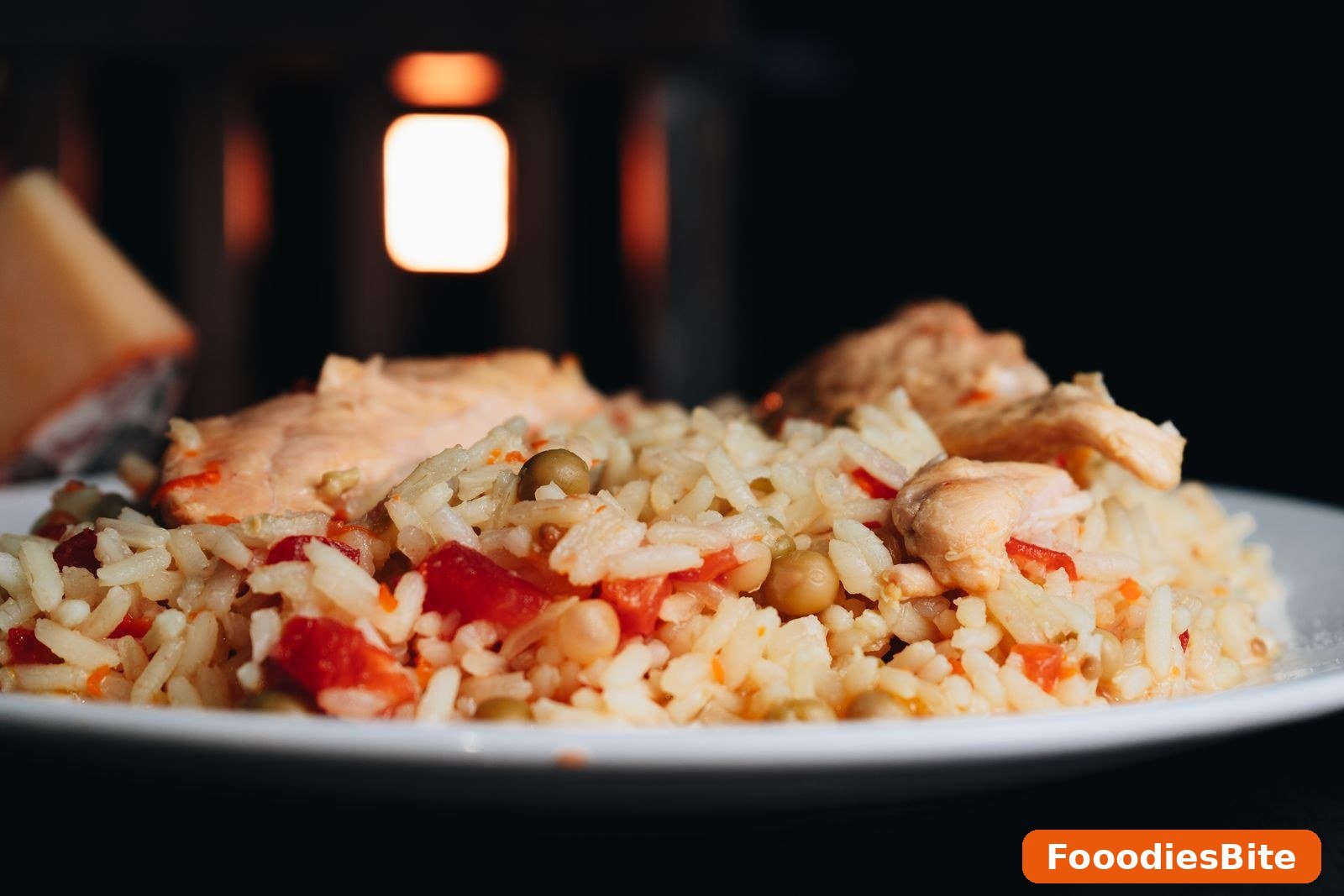
How you serve these dishes depends on the day you are having. For a quick family dinner, fried rice on its own, with a simple cucumber salad on the side, is more than enough. The cool, crunchy cucumber balances the warm, savoury rice, and the salad takes two minutes to make. A bowl of chilli sauce and some lime wedges on the table lets everyone season their own portion, which is always easier than guessing how much heat everyone wants.
For lunches, rice bowls packed in separate containers, with the sauce in a small jar, travel well and reheat nicely. Add the fresh vegetables on top so they stay crisp, and keep any salad leaves separate until you eat. For a more substantial dinner, serve chicken and rice soup with warm bread and a simple green salad, or pair a cheesy rice skillet with steamed broccoli or green beans. The green vegetables add colour and freshness, and they make the plate look like a proper meal rather than a pan of leftovers.
If you are cooking for guests, which sounds unlikely for leftover chicken but happens more often than you might think, present a rice bowl bar. Put out warm rice, shredded chicken, several vegetables, two sauces, and toppings like toasted nuts, crispy onions, and fresh herbs, and let everyone build their own bowl. It looks generous, it suits different tastes and appetites, and nobody needs to know that the chicken started life as Sunday’s roast. For another one-pot idea that starts from scratch rather than leftovers, see One Pot Chicken and Rice Without Soup, and for the reverse problem, Chicken Recipes With Leftover Rice covers what to do when the rice is the leftover.
Frequently Asked Questions
How long does leftover chicken last in the fridge?
Cooked chicken keeps safely in the fridge for three to four days when stored in an airtight container and cooled within two hours of cooking. If you are unsure how old it is, or it smells off, throw it away. It is never worth the risk. For longer storage, freeze the chicken in portions, label the bag with the date, and use it within two to three months for the best flavour. Thaw overnight in the fridge and reheat only once, until steaming hot.
Can I use freshly cooked rice for fried rice?
You can, but cold rice works noticeably better. Fresh rice is soft and moist, and it tends to clump and turn mushy in a hot pan. If you have no cold rice, spread freshly cooked rice on a baking tray in a thin layer and let it cool completely, or chill it in the fridge for at least an hour. You can also use a fan or an open window to help it cool faster. The goal is dry, separate grains that can crisp up in the pan rather than steam.
What is the best rice for leftover chicken recipes?
Long grain white rice, jasmine rice, and basmati rice all work well, and the best choice is usually whatever you already have. Jasmine rice is fragrant and slightly soft, basmati is drier and more separate, and ordinary long grain rice is a reliable all-rounder. Brown rice also works, though it is chewier and needs a little more sauce or broth to feel moist. The background article on fried rice on Wikipedia explains why cold, day-old rice became the standard for this dish in the first place.
How do I stop leftover chicken from drying out?
The key is to heat it gently and briefly. Add shredded chicken at the end of cooking, toss it through hot rice or soup for just a minute or two, and take the pan off the heat as soon as it is warmed through. Adding a little sauce, broth, or oil helps too, because moisture protects the meat. Dark meat from thighs or legs is naturally more forgiving than breast meat, so if you often have dry leftovers, try using thigh meat for roasts you plan to stretch across several meals.
Can I freeze chicken and rice dishes?
Yes, most of these dishes freeze well, though fried rice freezes better than rice bowls with fresh vegetables. Cool the dish quickly, portion it into airtight containers or freezer bags, and freeze for up to two months. Thaw overnight in the fridge and reheat thoroughly, adding a splash of water or broth to loosen the rice. Keep fresh toppings, sauces, and salad separate, and add them after reheating so they stay crisp and fresh.
What vegetables go best with leftover chicken and rice?
Almost anything you have will work, but a few combinations are particularly reliable. Peas, carrots, and sweetcorn are classics in fried rice. Broccoli, peppers, and green beans suit rice bowls and stir-fries. Mushrooms add savoury depth to a cheesy skillet. And fresh vegetables like cucumber, shredded carrot, and salad leaves are perfect for bowls where you want crunch. A trusted everyday source, the chicken and rice bowl recipe from Taste of Home, shows how flexible these combinations can be, and it is a good reminder that the best vegetable is usually the one already in your fridge.
Pingback: One Pot Chicken and Rice Without Soup: Easy, Flavorful, and Comforting – FooodiesBite
Pingback: Chicken Recipes With Leftover Rice: Easy and Delicious Meal Ideas – FooodiesBite