
Some recipes earn their place in your regular rotation not because they are complicated, but because they are almost embarrassingly quick and still taste like a treat. This air fryer garlic butter shrimp is one of those recipes. In about fifteen minutes you get shrimp that are plump and juicy, coated in garlicky butter, brightened with lemon, and finished with parsley. It tastes like something you would order at a seaside restaurant, and yet the whole thing happens in one basket with barely any washing up.
I keep a bag of frozen shrimp in the freezer precisely for nights like this. You know the kind: you get home late, you are hungry, and the idea of a long recipe feels impossible. Frozen shrimp thaw in cold water in about fifteen minutes, or even faster under a running tap, and from there this recipe takes less time than it takes to boil pasta. The first time I made it in the air fryer, I was half expecting the shrimp to dry out or the garlic to burn. Instead they came out tender, with the butter just beginning to brown at the edges, and I have made them at least once a week ever since.
The trick is understanding how shrimp cook. They go from perfectly tender to rubbery in a matter of a minute or two, so the air fryer is actually an advantage here rather than a risk. The heat is even, the time is short, and you can see exactly what is happening when you shake the basket. Toss the shrimp in melted butter and garlic before cooking, rather than after, and the flavour gets right into every curve. Finish with lemon juice and parsley only once they are out, so the lemon stays bright and the herbs stay fresh.
This is also a recipe that dresses up or down without any fuss. Serve it over pasta for a proper dinner, spoon it over rice for a quick bowl, pile it onto toast for a luxurious lunch, or simply eat it straight from the bowl with a fork while standing in the kitchen. All of those are correct, and I have done all of them.
Why You’ll Love This Recipe
Speed is the obvious reason, and it is a real one. Fifteen minutes from start to finish is not an exaggeration here, especially if your shrimp are already thawed. There is no sauce to simmer, no pan to watch, and no long list of steps. You toss, you cook, you finish with lemon and herbs, and dinner is done. On nights when cooking feels like a chore, that simplicity is what gets a home-cooked meal on the table instead of another takeaway.
Flavour is the second reason. Garlic butter is one of those combinations that rarely fails, and shrimp are a perfect vehicle for it because they cook so quickly that they absorb flavour without losing their own sweetness. A little chilli gives warmth without real heat, lemon lifts everything, and parsley adds a fresh, green note that stops the butter from feeling heavy. It is a small list of flavours, but they are balanced in a way that tastes complete.
Versatility is the third reason. The same batch of shrimp can be a starter for four people, a main course for two, a topping for pasta, a filling for tacos, or a salad topping the next day. Few recipes stretch that far without extra work. And because shrimp cook so fast, it is easy to make a second batch if unexpected guests arrive, which is not true of many main courses.
Finally, it feels special without being expensive or fussy. Shrimp have a celebratory quality that chicken and vegetables do not always carry, and serving them in garlic butter makes an ordinary Tuesday feel a little more like an occasion. That matters more than we sometimes admit; food that feels like a treat is food we actually look forward to cooking.
Ingredients You’ll Need
- 450 g large shrimp, peeled and deveined, tails on or off as you prefer
- 3 tablespoons unsalted butter, melted
- 4 cloves garlic, finely minced
- 1/2 teaspoon smoked paprika
- 1/4 teaspoon chilli flakes, plus more to taste
- 1/2 teaspoon fine sea salt
- 1/4 teaspoon black pepper
- 1 tablespoon lemon juice, freshly squeezed
- 1 teaspoon lemon zest
- 2 tablespoons fresh parsley, finely chopped
- Lemon wedges and crusty bread, to serve
A note on buying shrimp, because it makes a difference. Large shrimp, roughly 21 to 25 per pound, work best here because they stay juicy in the air fryer and do not overcook in seconds the way tiny shrimp can. If you can only find medium shrimp, reduce the cooking time by a minute and check them early. Fresh shrimp are wonderful if you live near a good fishmonger, but good-quality frozen shrimp are often fresher in practice, since they are frozen soon after catching. Thaw them in a bowl of cold water, drain them well, and pat them dry before tossing in butter; wet shrimp steam rather than roast, and the garlic butter will not cling properly.
For the butter, unsalted gives you control over the salt, which matters because shrimp are naturally a little salty. If you only have salted butter, use it and reduce the added salt to a small pinch. The garlic should be minced finely rather than sliced, so it distributes evenly and does not burn in large pieces. And use fresh lemon juice if you possibly can; bottled lemon juice tastes flat in a recipe this simple, where every flavour has to carry its weight.
How to Make Air Fryer Garlic Butter Shrimp
Start by preparing the shrimp properly, because this step decides the final texture. If your shrimp are frozen, thaw them in cold water for about fifteen minutes, then drain and pat them completely dry with kitchen paper. If they still have veins, remove them with the tip of a small knife and rinse briefly. Place the dry shrimp in a bowl and toss them with the melted butter, minced garlic, smoked paprika, chilli flakes, salt, and pepper until every shrimp is evenly coated. Let them sit for five minutes while the air fryer preheats; this short rest lets the garlic flavour settle in.
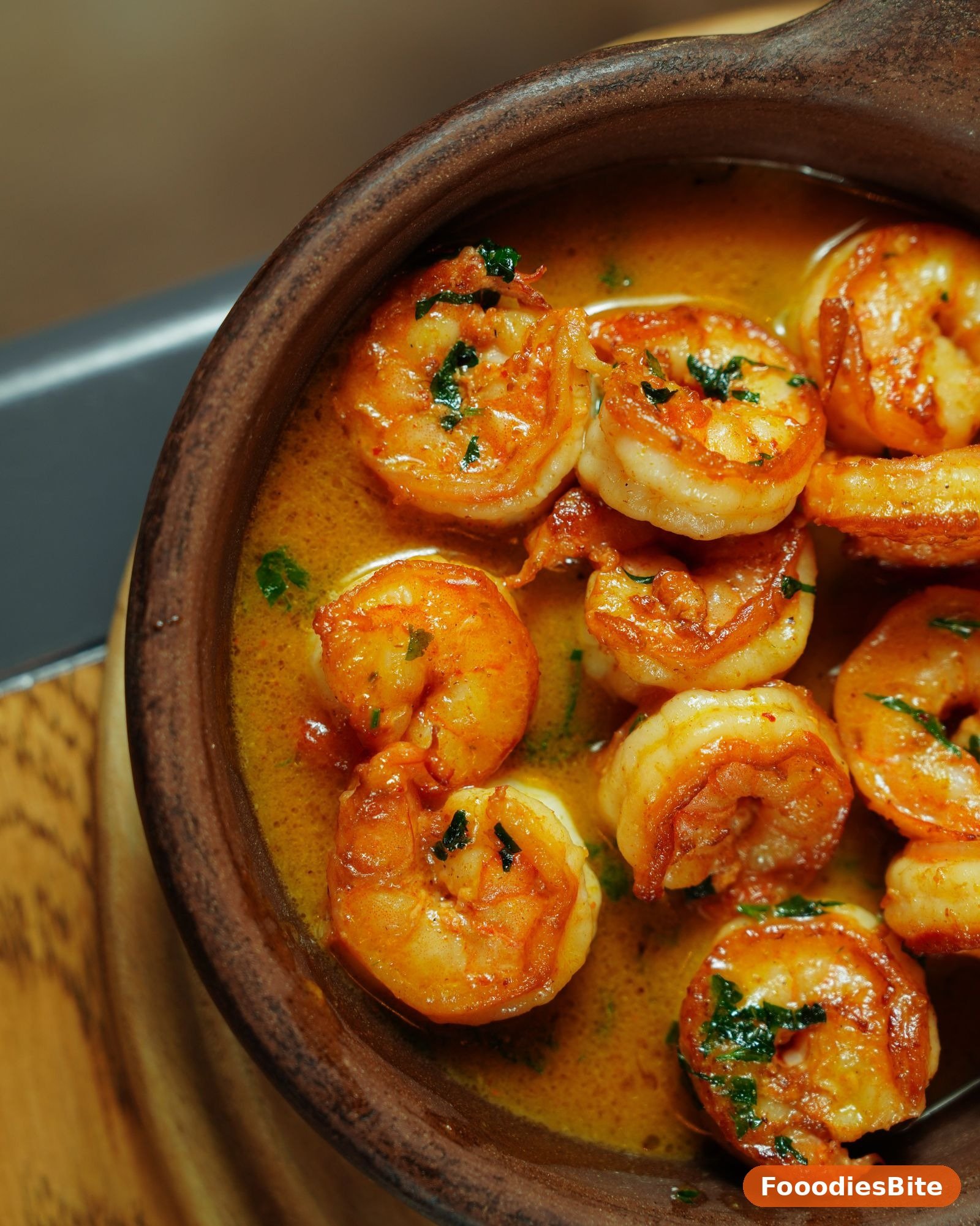
Preheat the air fryer to 200°C (400°F) for three minutes. Lightly spray or brush the basket with oil, then arrange the shrimp in a single layer, making sure they are not piled on top of each other. Shrimp shrink slightly as they cook, but they still need space for the hot air to reach all sides. If you have a small basket, cook in two batches; a second batch takes only six minutes, and it is far better than a crowded first batch that cooks unevenly.
Cook for 5 to 7 minutes, shaking the basket or turning the shrimp halfway through, until they are pink, opaque, and curled into a loose C shape. That shape is your best guide: a shrimp curled into a tight O is usually overcooked, while a shrimp that is still grey and straight needs another minute. Check at five minutes, especially the first time you make this, because air fryers vary and shrimp cook fast. The moment they turn pink all the way through, take them out; they will continue cooking slightly from residual heat.
Tip the hot shrimp into a clean bowl and immediately toss with lemon juice, lemon zest, and chopped parsley. The heat will bloom the lemon and wilt the parsley just enough without cooking it to dullness. Taste and adjust the salt, add an extra squeeze of lemon if you like things brighter, and serve straight away. Shrimp wait badly, so have your pasta, rice, or bread ready before you start cooking, not after.
Tips for Juicy, Tender Shrimp
The most common mistake with shrimp is overcooking, and it is an easy one to make because the difference between perfect and rubbery is so small. Set a timer, check early, and trust your eyes more than the clock. Pink and opaque means done; there is no need to cook shrimp until they are deeply coloured or curled tight. If you are nervous, pull one shrimp out at five minutes, cut it in half, and check that the centre is opaque rather than translucent. That single test will teach you more than any timer.
Drying the shrimp before cooking is the second most important tip. Wet shrimp release water in the basket, which lowers the temperature around them and turns the garlic butter into a thin, watery coating. Pat them dry, toss them in butter just before cooking, and do not let them sit in the butter for more than ten minutes, or the salt will start drawing moisture out again. Small details like this are what separate good shrimp from great shrimp.
Third, do not overload the basket. It is tempting to cook everything at once, especially when you are hungry, but shrimp that are piled up steam in the middle and cook unevenly at the edges. Two quick batches will still be faster than most dinners, and both will be properly cooked. Fourth, use a light hand with the chilli flakes at first. You can always add more heat at the table, but you cannot take it out once it is in the butter.
For another quick air fryer main, the air fryer recipes on FooodiesBite include chicken and vegetable dishes that cook in a similar hands-off way, and the one-pan skillet recipes are a good next stop if you enjoy dinners that come together in a single pan. If you want a lighter follow-up dish, the sides and vegetables on FooodiesBite pair well with this shrimp.
Variations to Try
Once you are comfortable with the basic method, this recipe is a wonderful base for experimenting. For a Cajun version, replace the smoked paprika with a teaspoon of Cajun seasoning and add a pinch of dried thyme and oregano. The shrimp take on a warmer, earthier flavour that works beautifully over rice. For a Mediterranean version, add a handful of cherry tomatoes and a few olives to the basket for the last two minutes of cooking, then finish with crumbled feta and oregano instead of parsley.
For a creamy version, which is particularly good over pasta, toss the cooked shrimp in a splash of double cream warmed with a little of the garlic butter from the bowl, and finish with parmesan. It takes about two extra minutes and turns a light dish into something richer and more comforting. For a spicy version, double the chilli flakes and add a teaspoon of sriracha to the butter mixture, then finish with lime juice instead of lemon for a slightly different brightness.
You can also change the herbs. Coriander works well if you prefer it to parsley, especially with a lime finish, and a little chopped dill gives the shrimp a fresher, almost Scandinavian feel that is lovely with new potatoes. The method stays exactly the same; only the finishing flavours change, which means you can try a new version every week without learning a new recipe.
Serving Ideas
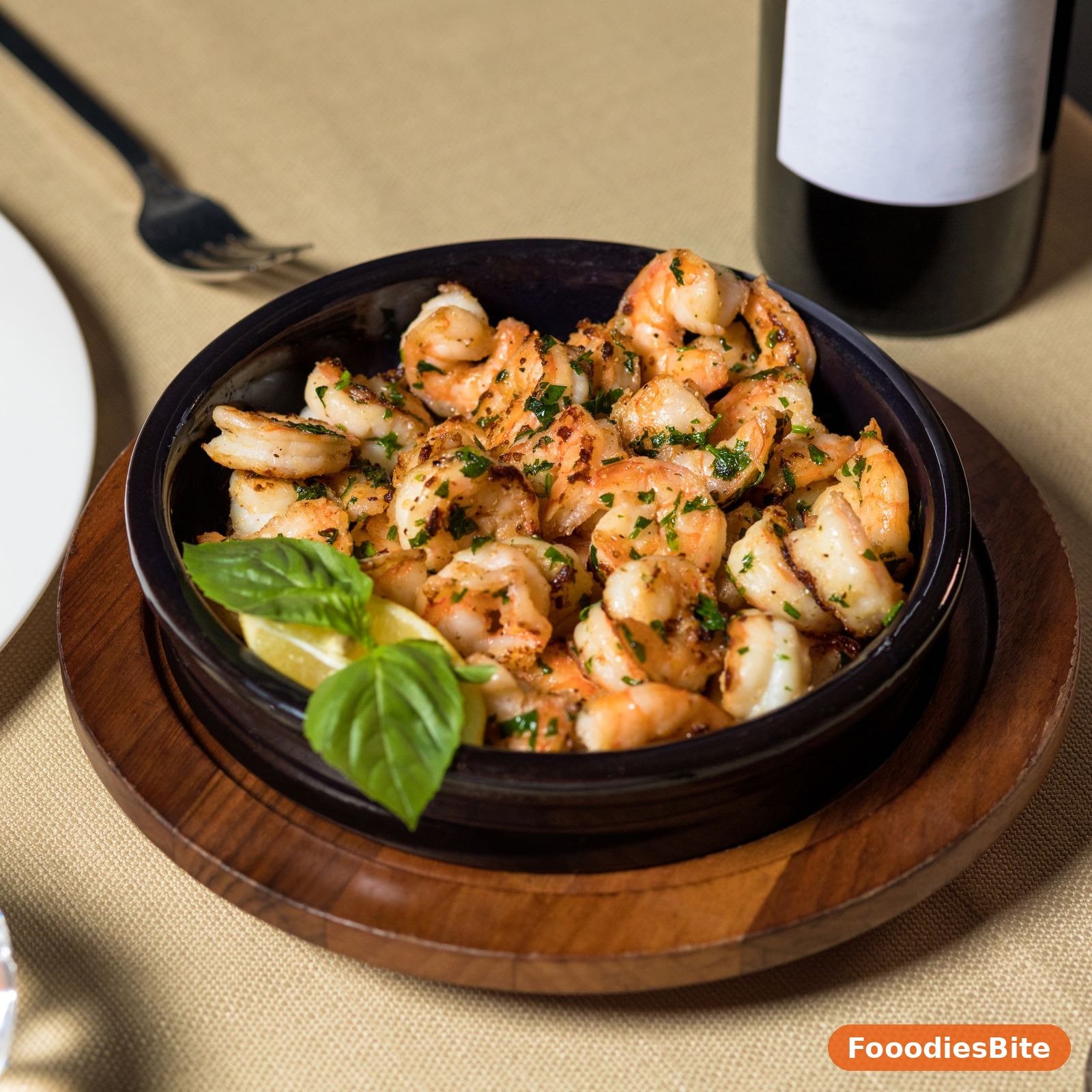
The simplest serving is also one of the best: a bowl of hot garlic butter shrimp with lemon wedges and a pile of crusty bread for mopping up the butter. There is something deeply satisfying about tearing off bread and dragging it through garlicky butter, and it turns a quick dinner into something that feels generous. Add a simple green salad with a sharp vinaigrette, and you have a complete meal that took less than twenty minutes.
Over pasta, toss the shrimp and all their buttery juices through freshly cooked spaghetti or linguine, adding a splash of pasta water to loosen everything into a light sauce. Finish with extra parsley, lemon zest, and a snowfall of parmesan, and serve immediately. Over rice, spoon the shrimp over fluffy jasmine rice or a simple pilaf, and let the butter soak in. The rice catches every drop, which is exactly what you want.
For a lighter plate, serve the shrimp over a salad of rocket, avocado, cherry tomatoes, and cucumber, with the warm shrimp wilting the leaves just slightly. For tacos, pile the shrimp into warm corn tortillas with shredded cabbage, diced avocado, and a squeeze of lime, and you have a taco night that feels fresh rather than heavy. However you serve them, put the lemon wedges on the table rather than squeezing all the juice in advance, so each person can adjust the brightness to their own taste.
Storage and Reheating
Shrimp are best eaten fresh, and this recipe is so quick that leftovers are not usually a problem. If you do have some left, store them in an airtight container in the fridge for up to two days, keeping any extra butter sauce with them. Reheat them very gently, either in the air fryer at 160°C (320°F) for two minutes or in a pan over low heat, just until warmed through. Overheating is the enemy here; a few seconds too long and they turn rubbery.
Do not freeze cooked shrimp from this recipe if you can avoid it, because the texture suffers on thawing. If you must, freeze them in a single layer, thaw overnight in the fridge, and use them cold in a salad or a sandwich rather than reheating them. Cold garlic butter shrimp, sliced and tucked into a roll with lettuce and a little mayonnaise, make a surprisingly good lunch the next day, and they do not need reheating at all.
Frequently Asked Questions
Can I use frozen shrimp for this recipe?
Yes, and in many places frozen shrimp are the best choice. Thaw them in cold water for about fifteen minutes, drain them well, and pat them dry before tossing in butter. Do not thaw them in warm water, which can start cooking the outside while the centre is still frozen, and do not cook them straight from frozen in the air fryer, because they will release too much water and cook unevenly.
How do I know when shrimp are done?
Look for colour and shape. Cooked shrimp turn pink and opaque all the way through and curl into a loose C shape. If they are still grey or translucent in the centre, they need another minute. If they have curled into a tight O, they are likely overcooked, though still edible. Checking at five minutes and then every minute after that is the safest approach until you know your air fryer.
Can I cook shrimp with the shells on?
You can, and shell-on shrimp are often juicier because the shell protects the flesh. Toss them in butter and garlic in the same way, add a minute to the cooking time, and serve them with extra napkins, since peeling at the table is part of the fun. The shells also add flavour to the butter, which is a bonus if you are serving bread for dipping.
What should I serve with garlic butter shrimp?
Almost anything simple works: pasta, rice, crusty bread, a green salad, or roasted vegetables. The shrimp themselves are rich and garlicky, so sides that are fresh and light balance them best. The FooodiesBite homepage is a good place to find those sides, and for background on shrimp as an ingredient, Shrimp on Wikipedia covers the different species and how they are prepared around the world, and BBC Good Food’s prawn recipes offer more seafood ideas.
Can I make this dairy free?
Yes, replace the butter with a good olive oil or a dairy-free butter alternative. Olive oil gives a slightly different, more Mediterranean flavour that works beautifully with lemon and parsley, though it will not have quite the same richness as butter. Keep everything else the same, and finish with lemon and herbs as usual.