
Introduction
Open almost any freezer in the country and you will find a bag of peas, a bag of mixed vegetables, or a box of broccoli that was bought with good intentions and then forgotten. Frozen vegetables have a reputation problem. People talk about them as if they are a compromise, something you use when the fresh stuff has run out, but that is not really fair. They are picked and frozen at their best, they do not go soft in the fridge while you decide what to cook, and on a busy night they can be the difference between a proper home-cooked dinner and another evening of toast.
The real secret is that frozen vegetables are not a single ingredient. A bag of peas behaves completely differently from a bag of stir-fry mix, and broccoli needs different handling from spinach. Once you know a few basic tricks — a hot pan, enough seasoning, and not overcooking them into mush — they stop tasting like a shortcut and start tasting like dinner.
This collection is for the nights when the fridge is nearly empty, the shops are closed, or you simply cannot face chopping a pile of vegetables after a long day. Every recipe here starts with something from the freezer, and most of them are on the table in under thirty minutes. Some are vegetarian, some include meat or eggs, and all of them are the kind of food people actually want to eat, not just food that happens to be quick.
You can find more everyday cooking ideas on the FooodiesBite homepage, and this guide belongs in our Sides & Vegetables collection. If you have chicken to use up as well, the ideas in 33 Easy Meals With Leftover Rotisserie Chicken pair well with several of these dishes, and 24 No Oven Chicken Dinner Recipes is full of stovetop meals that welcome a bag of frozen vegetables on the side.
How to Make Frozen Vegetables Taste Great
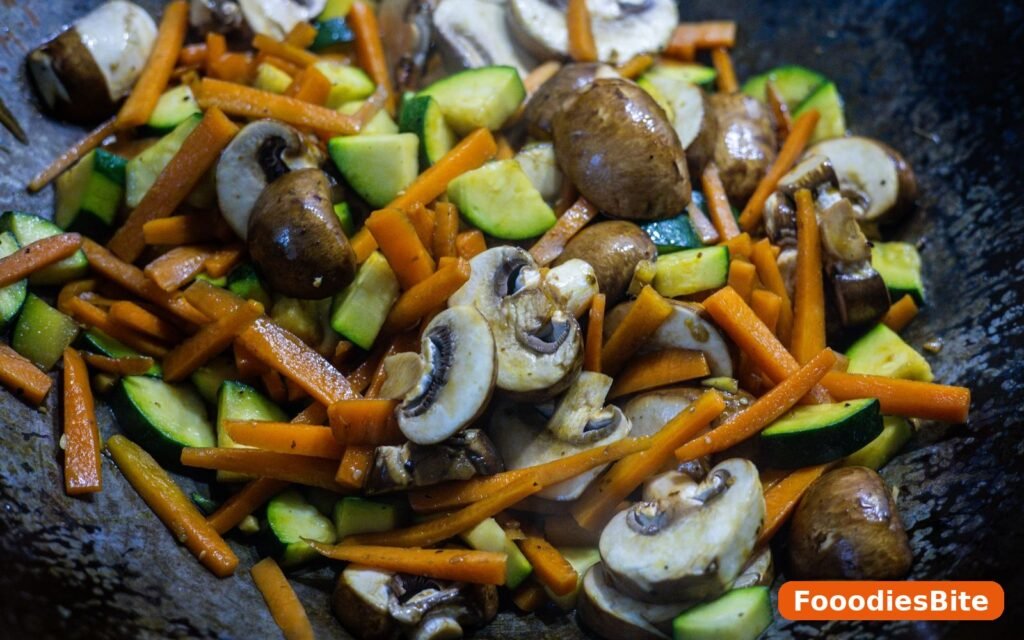
The number one mistake with frozen vegetables is cooking them too long in too much water. Boiled until grey and soggy, they confirm every bad thing people think about them. The fix is simple: use a hot pan, a little oil, and high heat, and let the vegetables brown slightly at the edges. That browning is where the flavour lives.
Do not thaw most frozen vegetables before cooking, especially for stir-fries and roasts. Cooking them straight from frozen means they release less water into the pan and keep a better texture. The exception is leafy vegetables like spinach, which benefit from being squeezed dry after thawing, otherwise they water down sauces and fillings.
Season generously, and season in layers. Salt the vegetables as they cook, not just at the end, and finish with something bright — lemon juice, vinegar, chilli, garlic, or fresh herbs — to wake everything up. A knob of butter stirred through at the end, or a drizzle of sesame oil, can transform a plain bag of mixed vegetables into something you would happily serve to guests.
Stir-Fries, Noodles, and Rice Dishes
1. Classic vegetable stir-fry. Fry a bag of stir-fry mix in a very hot pan with garlic, ginger, and soy sauce. Serve over rice, and finish with sesame seeds and a squeeze of lime. It takes about twelve minutes from freezer to plate.
2. Frozen vegetable fried rice. Cook cold rice with mixed vegetables, spring onions, soy sauce, and a beaten egg swirled through at the end. This is the dinner to make when the fridge is almost bare but the freezer is not.
3. Vegetable lo mein. Toss cooked noodles with stir-fry vegetables, soy sauce, and sesame oil. Add chilli flakes if you like heat, and peanuts if you like crunch. It is endlessly adaptable to whatever bag you happen to have.
4. Peanut noodle bowl. Stir vegetables into noodles with a sauce made from peanut butter, soy sauce, lime juice, and a little warm water. It sounds unusual if you have never tried it, but it is rich, comforting, and very hard to stop eating.
5. Broccoli and garlic pasta. Cook pasta, then fry frozen broccoli with garlic and chilli until it starts to break down into a rough sauce. Toss through the pasta with olive oil and Parmesan, and dinner is done.
6. Vegetable pad Thai, simplified. Use rice noodles, frozen stir-fry vegetables, egg, and a sauce of fish sauce, lime, and sugar. It is not a restaurant pad Thai, but it is quick, tangy, and satisfying on a weeknight.
7. Teriyaki vegetable rice bowl. Simmer vegetables in teriyaki sauce until glossy, then serve over rice with sesame seeds. Add a fried egg on top if you want something a bit more substantial.
8. Spicy vegetable noodles. Fry mixed vegetables with chilli, garlic, and soy sauce, then toss with noodles and a splash of rice vinegar. The heat wakes up the whole dish and makes simple vegetables taste exciting.
Soups, Stews, and Comforting Bowls
9. Quick vegetable soup. Simmer mixed vegetables in stock with tinned tomatoes, garlic, and herbs for twenty minutes, then blend half of it for a thicker texture. Serve with crusty bread, and you have a proper meal.
10. Minestrone with frozen vegetables. Add frozen green beans, peas, and carrots to a tomato and bean soup with small pasta shapes. It is hearty, cheap, and it tastes even better the next day.
11. Broccoli and cheese soup. Cook frozen broccoli in stock, blend it with milk and grated cheddar, and season well. It is smooth, comforting, and a reliable way to get children to eat broccoli without complaint.
12. Pea and mint soup. Blend frozen peas with stock, mint, and a little cream. It takes ten minutes, looks beautiful, and tastes fresh in a way that surprises people who expect frozen peas to be boring.
13. Vegetable and lentil stew. Simmer frozen vegetables with red lentils, cumin, and stock until thick and hearty. Lentils make it filling enough to be a main meal, and it costs very little per portion.
14. Chicken and vegetable soup. Add frozen vegetables to chicken stock with shredded chicken and noodles. When the chicken is already cooked, this soup comes together in about fifteen minutes.
15. Creamy vegetable chowder. Cook mixed vegetables and potatoes in stock, then stir in milk and a little flour to thicken. Sweetcorn works particularly well here, and a handful of grated cheese on top never hurts.
Pasta, Bakes, and Family Dinners
16. Vegetable pasta bake. Mix cooked pasta with frozen vegetables and a tomato or cheese sauce, top with mozzarella, and bake until golden and bubbling. It feeds a crowd and reheats well for lunch.
17. Spinach and ricotta stuffed shells. Mix thawed, well-squeezed spinach with ricotta and Parmesan, fill cooked pasta shells, cover with tomato sauce, and bake. It looks like a weekend project but uses mostly freezer and pantry ingredients.
18. Vegetable frittata. Fry frozen vegetables, pour over beaten eggs and cheese, and cook gently until set. Finish under the grill if your pan allows it, and serve with salad or bread.
19. Frozen vegetable curry. Simmer mixed vegetables in coconut milk with curry paste and a squeeze of lime. Serve with rice or naan, and you have a warming dinner that happens to be vegetarian.
20. Vegetable shepherd’s pie. Cook frozen vegetables in a savoury gravy with lentils or mince, top with mashed potato, and bake until crisp on top. It is the kind of dinner that makes a cold evening feel manageable.
21. Cheesy broccoli rice casserole. Mix cooked rice with broccoli, cheese sauce, and a crunchy topping of breadcrumbs, then bake. Children tend to love this one, and adults rarely object either.
22. Vegetable and bean tacos. Warm frozen peppers and sweetcorn with black beans and taco seasoning, then serve in tortillas with salsa and sour cream. Quick, colourful, and easy to scale up for friends.
Quick Sides and Lighter Meals
23. Garlic butter green beans. Fry frozen green beans in butter with garlic until they start to brown at the edges. Finish with lemon zest, and they taste nothing like the soggy green beans of school dinners.
24. Roasted frozen broccoli. Spread frozen broccoli on a baking tray with oil and salt, and roast at a high heat until the edges crisp. Roasting is the single best way to make frozen broccoli taste like something you actually chose to eat.
25. Peas with mint and butter. Warm peas with butter, chopped mint, and a little lemon juice. It takes five minutes and goes with almost everything, from roast chicken to fish fingers.
26. Stir-fried frozen peppers and onions. Cook them hot and fast with a little soy sauce and serve alongside rice, noodles, or grilled meat. This simple side rescues many a plain main course.
27. Vegetable and chickpea salad, warm. Fry mixed vegetables until lightly charred, toss with chickpeas, lemon, and herbs, and serve warm or at room temperature. It works as a side dish or a light lunch on its own.
28. Sweetcorn fritters. Mix sweetcorn with flour, egg, spring onions, and seasoning, then fry in small spoonfuls until golden. Serve with a yoghurt dip, and watch them disappear faster than you can cook them.
29. Creamed spinach, the easy way. Cook thawed spinach with butter, garlic, and cream until thick, then season with nutmeg. It is a classic steakhouse side that takes ten minutes at home.
30. Frozen vegetable sheet-pan dinner. Spread mixed vegetables, chickpeas, and sliced sausage or halloumi on a tray with oil and spices, and roast until everything is golden. One tray, almost no washing up, and dinner is sorted.
Choosing and Storing Frozen Vegetables
It is worth paying attention to which bags you buy, because not all frozen vegetables are equal. Look for bags where the vegetables move freely rather than forming one solid block, which usually means they were frozen properly and will cook more evenly. Check the ingredients list too — plain vegetables should be the only ingredient, without added sauces or salt you did not ask for. Once opened, squeeze the air out of the bag and seal it well, or transfer the contents to a freezer bag, because freezer burn is what turns good vegetables dry and tasteless. Used within a few months, they will taste fresh and bright; left for a year at the back of the freezer, they will not, no matter how well you cook them. To understand how freezing preserves food, see Frozen food on Wikipedia, and for more vegetable cooking ideas, browse BBC Good Food’s vegetable recipes.
Serving Ideas
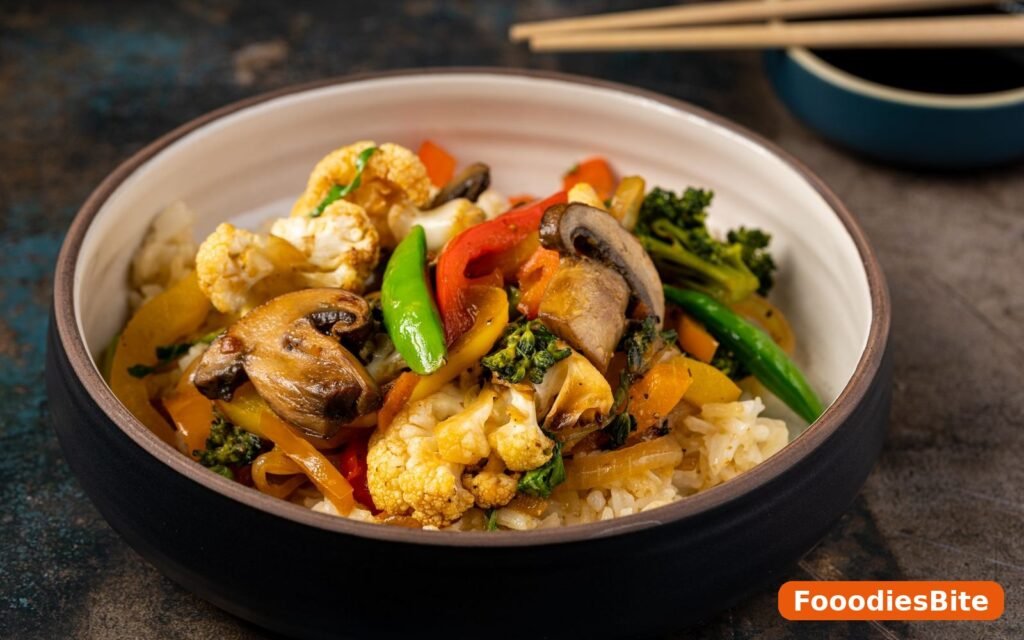
Frozen vegetable dishes rarely need elaborate sides, because the vegetables often are the side, or at least half the meal. A stir-fry wants rice or noodles, a soup wants good bread for dunking, and a curry wants naan or flatbread to scoop up the sauce. For pasta bakes and casseroles, a simple green salad with a sharp dressing balances the richness and adds a fresh crunch. If you are serving a vegetable dish as the main event, think about texture on the plate: something crisp, like toasted nuts, seeds, or a handful of croutons, stops a soft vegetable dish from feeling one-note. A wedge of lemon on the side is a small thing that makes a surprising difference, and a bowl of fruit or a simple yoghurt dessert afterwards keeps the meal feeling complete without more cooking.
Frequently Asked Questions
Are frozen vegetables as healthy as fresh vegetables?
In most cases, yes. Frozen vegetables are usually frozen soon after picking, which helps preserve their nutrients, while fresh vegetables can lose some vitamins during transport and storage. The healthiest choice is often the one you actually eat, and a bag of frozen broccoli you cook tonight beats fresh broccoli that wilts in the fridge.
Should I thaw frozen vegetables before cooking?
For stir-fries, roasts, soups, and curries, cook them straight from frozen. Thawing first often makes them watery. The main exception is spinach and other leafy greens used in fillings, where squeezing out excess water after thawing gives a much better result.
Why do my frozen vegetables go soggy?
Usually because they were cooked too long, in too much water, or in a pan that was not hot enough. Use high heat, avoid overcrowding the pan, and cook them just until tender. A little browning at the edges is a good sign, not a mistake.
Can I roast frozen vegetables?
Yes, and roasting is one of the best methods for broccoli, green beans, and peppers. Spread them in a single layer on a hot tray with oil and salt, roast at a high temperature, and turn them once. They will not be identical to fresh roasted vegetables, but they will be crisp at the edges and full of flavour.
How long do frozen vegetables last in the freezer?
They are best used within three to six months for the best flavour and texture, though they remain safe to eat for longer. Keep bags sealed tightly to prevent freezer burn, and use older bags first when you do a freezer clear-out.
Pingback: 33 Easy Meals With Leftover Rotisserie Chicken: Simple Ideas for Busy Days – FooodiesBite
Pingback: Creamy Coleslaw with Apple and Carrot – FooodiesBite