
Introduction
Every cook knows the moment. It is six o’clock, you are hungry, the fridge looks uninspiring, and the idea of going to the shop feels like a chore too far. You open the cupboard, you look at the same tins and packets you always have, and you think, there is nothing to eat. But there usually is. It just does not look like a recipe yet. That is what this post is about: learning to see a meal in the ingredients you already have, without a shopping list, without a special ingredient, and without pretending that dinner needs to be complicated to be good.
Cooking from what you have is not a lesser kind of cooking. In many ways, it is the most useful kind. It saves money, because you use food before it goes off. It saves time, because you skip the shop and the decision fatigue that comes with it. And it builds confidence, because once you realise you can make dinner from a tin of tomatoes, some pasta, and an onion, you stop feeling dependent on a recipe for every meal. You start to cook by feel, which is how most good home cooks actually cook, even if they do not say so.
The recipes in this post are not strict formulas. They are frameworks, each built around ingredients most kitchens already hold: pasta, rice, eggs, tinned tomatoes, beans, frozen vegetables, cheese, bread, and a few basic seasonings. If you have chicken, wonderful, use it. If you do not, the same ideas work with beans, eggs, or whatever protein is in the fridge. The point is not to follow a list exactly, but to learn a handful of patterns that turn ordinary cupboard food into dinner, again and again, on the nights when you need them most.
I cook this way more often than I would like to admit, and not because I am disorganised, though I am. It is because life is busy, plans change, and the food in the cupboard is already paid for. The meals below are the ones I actually make when there is no plan, and they are the ones friends ask about when they eat them, because they taste like someone thought about dinner, even when dinner was decided at the last minute.
Start With What You Have: A Quick Kitchen Audit
Before you decide what to cook, take two minutes to look properly. Open the fridge, the freezer, and one cupboard, and note what is actually there, not what you wish was there. Most kitchens, even on an empty-feeling day, contain a surprising amount of food. There is usually pasta or rice, a tin of tomatoes or beans, eggs, cheese, bread, an onion, garlic, oil, and some seasoning. The freezer often holds vegetables, bread, or a portion of meat you forgot about. Those ingredients alone can make several good dinners.
The audit is worth doing because it changes the question. Instead of asking, what should I cook, which is overwhelming, you ask, what can I make with pasta, tomatoes, and eggs, which is specific and answerable. Write a short list if it helps. Pasta, tinned tomatoes, onion, garlic, cheese, eggs, rice, frozen vegetables, bread. Now you have a menu in miniature, and the recipes below will show you how to turn that list into food.
It also helps to think in categories rather than individual ingredients. A grain or starch, such as pasta, rice, or bread, gives the meal substance. A protein, such as eggs, beans, cheese, or chicken, makes it filling. Vegetables, fresh, frozen, or tinned, add flavour, colour, and nutrition. And a sauce or seasoning, from a tin of tomatoes to soy sauce to a simple dressing, pulls everything together. If you have one thing from each category, you have a meal. If you have two or three, you have choices.
Keep a small stock of versatile seasonings, and this kind of cooking becomes much easier. Salt, pepper, garlic, dried herbs, chilli flakes, soy sauce, vinegar, and a jar of curry paste or pesto will transform plain ingredients into many different meals. You do not need a large spice collection. You need a few things you actually use, kept where you can reach them, and replaced when they run out.
How to Make Pantry Pasta With Whatever You Have
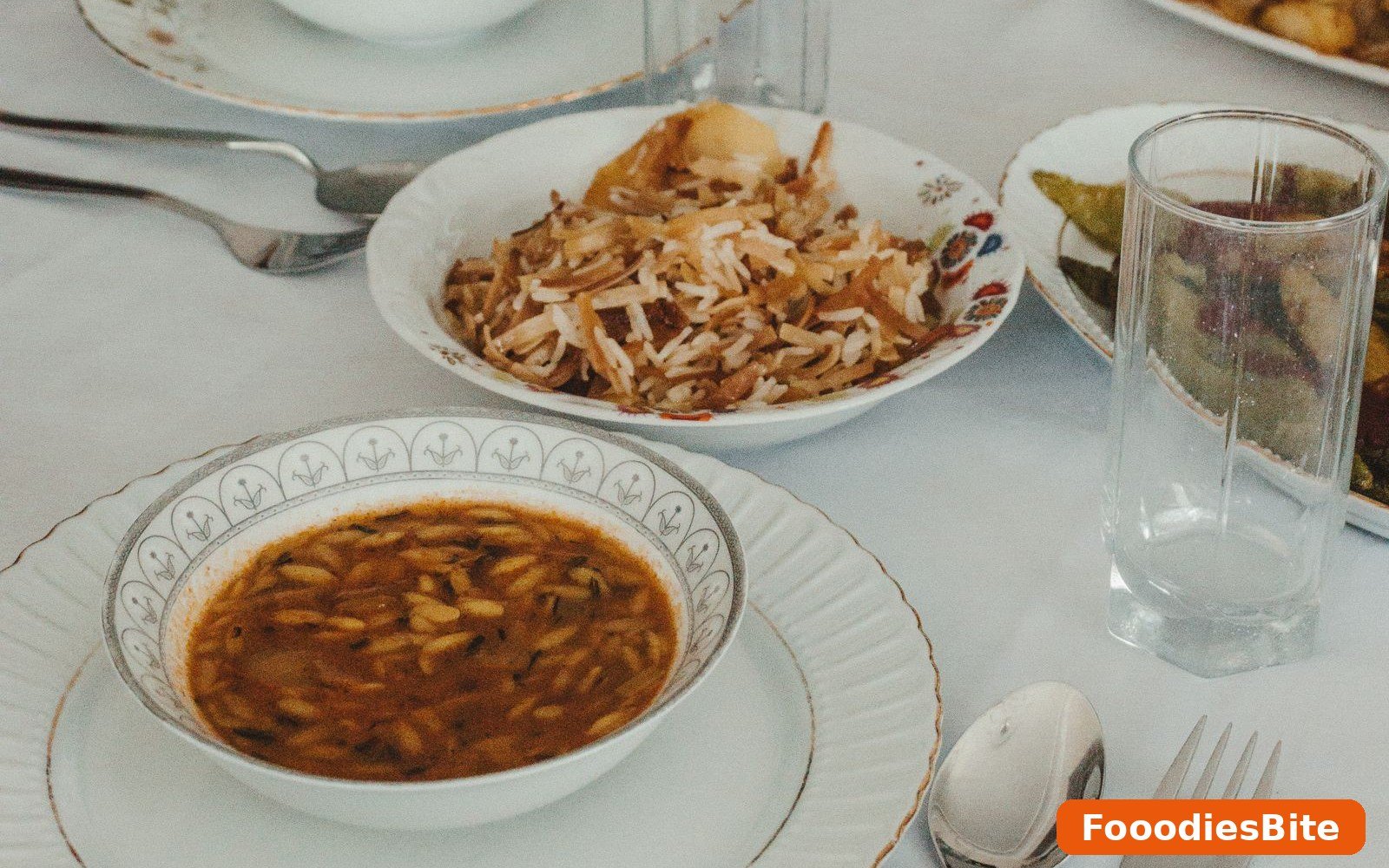
Pantry pasta is the single most useful meal in this post, and it is worth learning well. The basic version needs only pasta, a tin of tomatoes, garlic, onion, olive oil, and salt. Everything else is optional, which is the point. Cook the pasta in well-salted water until just tender, and save a cup of the cooking water before you drain it. That starchy water is liquid gold for pasta sauce, and it will help the sauce cling to the pasta in a way plain water never does.
While the pasta cooks, soften a diced onion in olive oil over medium heat, add garlic, and cook for thirty seconds until fragrant. Pour in the tinned tomatoes, breaking them up with a spoon, and simmer for ten minutes. Season with salt, pepper, and a pinch of sugar if the tomatoes taste sharp. A pinch of chilli flakes adds warmth, and a handful of dried herbs adds depth. If you have vegetables, add them now. Frozen peas, a handful of spinach, or a diced pepper all work, and they cook in the sauce in a few minutes.
When the pasta is ready, drain it and add it straight to the sauce, with a splash of the cooking water. Toss everything together over low heat for a minute or two, until the sauce coats the pasta and looks glossy rather than watery. Add cheese if you have it, grated Parmesan or any hard cheese, or a handful of torn mozzarella that melts into the hot pasta. Taste, adjust the salt, and serve with bread if you have it, though the pasta is a complete meal on its own.
The variations are where pantry pasta earns its keep. Add a tin of beans for protein and substance, and the dish becomes heartier without any meat. Add a couple of eggs, beaten and stirred through the hot pasta off the heat, and you have a rough, delicious carbonara-style dish, though purists may object to the name. Add tuna from a tin, with lemon and herbs, for a quick puttanesca-style pasta. Add frozen vegetables and a spoonful of pesto, and the whole meal changes character. The method stays the same. Only the details change, and that is why it works on so many different nights.
Egg Fried Rice and Other Rice Dinners
If pasta is the first pantry hero, rice is the second. Egg fried rice, made with cold leftover rice, is fast, filling, and endlessly adaptable. Heat oil in a large skillet or wok, scramble two or three eggs and set them aside, then cook an onion and any vegetables you have, frozen or fresh, in the same pan. Add cold rice, press it into the pan so some grains crisp up, pour soy sauce around the edges, and toss everything together. Return the eggs to the pan, add spring onions if you have them, and serve. It takes fifteen minutes, and it is far better than it has any right to be.
Rice also makes a good base for a simple bowl dinner. Warm rice, a fried egg on top, and whatever vegetables or protein you have, finished with soy sauce, chilli sauce, or a squeeze of lemon, is a complete meal that takes almost no planning. If you have chicken, sliced or shredded, add it. If you have beans, warm them with a little seasoning and add them instead. If you have cheese, a handful grated over hot rice with a fried egg is surprisingly satisfying, and it is a meal many people grew up eating without ever calling it a recipe.
A rice soup is another option, especially on colder days. Simmer broth, or even just water with seasoning, with rice, vegetables, and an egg beaten in at the end to make ribbons through the soup. It is gentle, warming, and uses ingredients that are almost always in the house. The key with all rice dishes is to remember that the rice itself is not the flavour. The sauce, the seasoning, and the toppings are what make it taste like dinner, so season boldly and finish with something fresh, like herbs or lemon, if you have it.
Skillet Chicken and One-Pan Dinners
When you have chicken, even a small amount, a skillet dinner is often the fastest way to turn it into a meal. Cut the chicken into pieces, season it, and cook it in a hot, oiled skillet until browned and cooked through. Remove it, cook an onion and any vegetables you have in the same pan, then return the chicken and add a sauce made from whatever is to hand. A splash of broth and a spoonful of mustard, a tin of tomatoes with herbs, or soy sauce with honey and garlic all work, and they all take the same basic method.
The advantage of a skillet dinner is that it uses one pan, it cooks quickly, and it adapts to whatever vegetables you have. Frozen vegetables are perfect here, because they cook straight from the bag and do not need preparation. Fresh vegetables work too, as long as you cut them small enough to cook in the time the chicken needs. Serve the skillet over rice, pasta, or bread, and you have a complete meal with minimal washing up.
One-pan dinners follow the same logic in the oven. Toss chicken pieces, potatoes, and vegetables with oil and seasoning on a baking tray, and roast until everything is cooked and golden. The oven does the work, and you can use the time to set the table or simply sit down for a few minutes. If you do not have chicken, the same tray with beans, vegetables, and potatoes, finished with cheese or a fried egg, is just as satisfying. The pan, not the protein, is the point.
Soups, Toasts, and Other No-Plan Meals
Some nights, even a skillet feels like too much. On those nights, soup and toast are perfectly respectable dinner, and they should not be dismissed as not proper food. A tin of tomatoes, blended with an onion, garlic, and broth, makes a good tomato soup in twenty minutes. A tin of beans, simmered with vegetables and seasoning, makes a hearty bean soup that is filling and inexpensive. Serve either with toast, preferably with cheese or butter, and you have a meal that is warm, satisfying, and made entirely from cupboard ingredients.
Toast itself deserves more credit as a dinner base. Beans on toast, with cheese and a little hot sauce, is a classic for a reason. Eggs on toast, with spinach or tomatoes if you have them, is quick and nutritious. Cheese on toast, with a sliced tomato or a spoonful of chutney, is simple and comforting. These are not fallback meals in a bad sense. They are meals that have fed people well for generations, and they are particularly useful when time and energy are short.
Another no-plan option is a simple omelette or frittata. Beat three or four eggs, pour them into a buttered skillet, add whatever filling you have, cheese, vegetables, leftover potatoes, herbs, and cook gently until set. An omelette takes five minutes. A frittata, finished in the oven, takes a little longer but serves more people and reheats well. Both are excellent ways to use small amounts of leftovers, and both feel like proper cooking, even though they are among the simplest meals you can make.
Building a Pantry That Makes This Easy
Cooking from what you have is much easier when the cupboard is stocked with a few reliable staples. You do not need to buy everything at once, and you do not need exotic ingredients. A good basic pantry includes pasta and rice, tinned tomatoes and beans, stock cubes or broth, oil and vinegar, soy sauce, dried herbs and spices, eggs, cheese, bread, onions, and garlic. Add frozen vegetables and a protein you like, whether that is chicken, tinned fish, or more beans, and you can make dozens of meals without a shopping trip.
The habit that makes the biggest difference is replacing things as you use them, rather than waiting until the cupboard is empty. When you open the last tin of tomatoes, add tomatoes to the next shopping list. When the rice gets low, buy more before it runs out. This sounds obvious, but it is the difference between a cupboard that always has something to cook and one that is mysteriously empty on the night you need it most. A small, consistent habit beats a large, occasional stock-up every time.
It also helps to keep a short list of your own go-to meals, the ones you know by heart and can make without thinking. Pantry pasta, egg fried rice, a skillet dinner, and a simple soup might be yours, or they might be different. The point is to have a handful of recipes you trust, so that on a busy night, you do not have to invent dinner from scratch. You just pick one, check you have the ingredients, and start cooking. That confidence is what turns a cupboard full of ingredients into dinner, night after night.
Serving Ideas
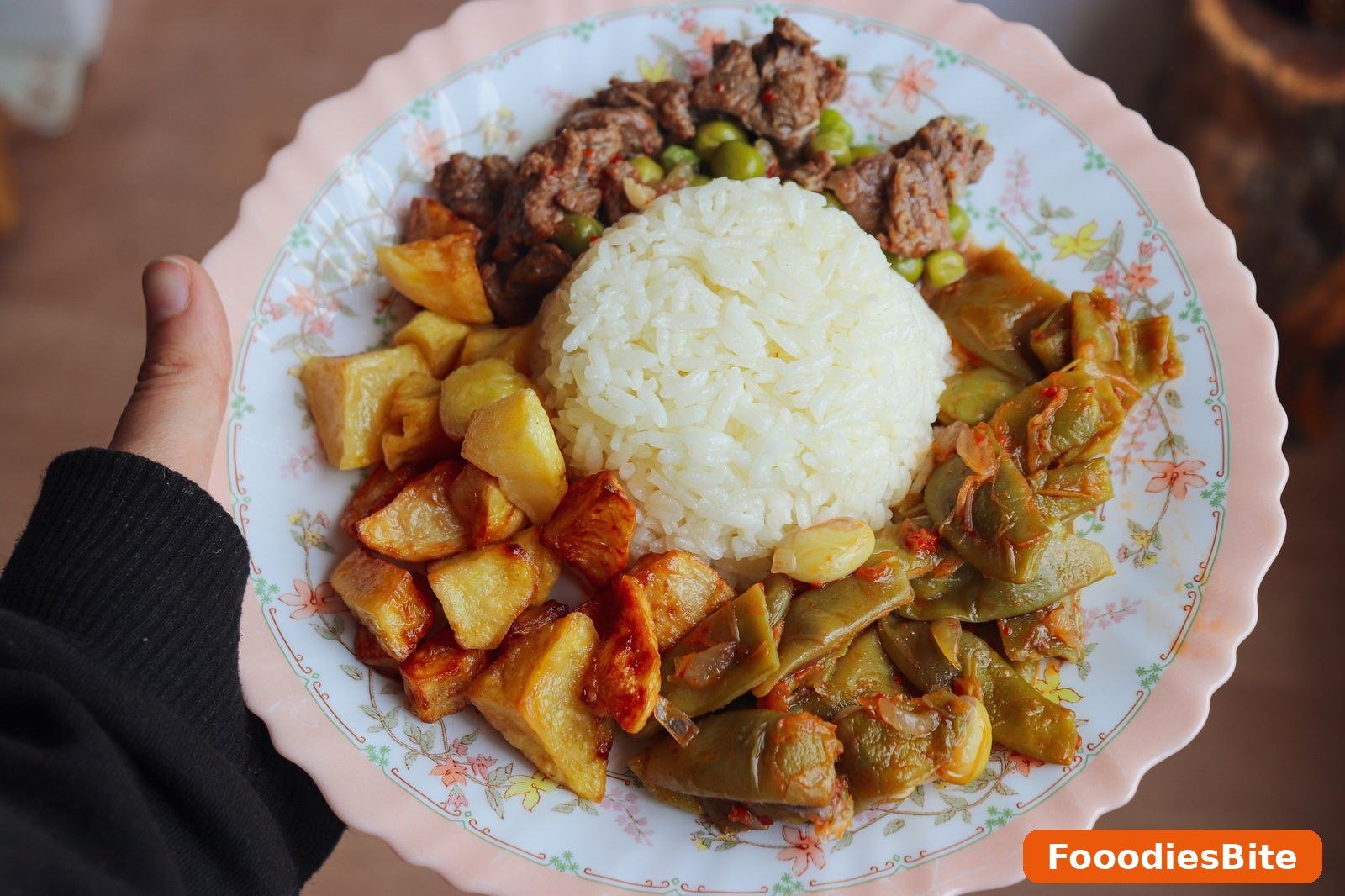
Serving a no-plan meal well is mostly about making it feel intentional, even when it was decided at the last minute. Put the food in a proper bowl or on a proper plate, rather than eating from the pan, and add one fresh element if you can. A handful of herbs, a squeeze of lemon, a simple salad, or even a sliced tomato on the side makes the plate look and taste more complete. It takes a minute, and it changes the whole feeling of the meal.
For pasta, serve with bread if you have it, and a sprinkle of cheese on top. For rice dishes, lime wedges and chilli sauce on the table let everyone season their own bowl. For skillet dinners, serve family style from the pan in the middle of the table, with rice or bread alongside, and let people help themselves. For soup, warm bread is almost essential, and a drizzle of oil or cream on top makes the bowl look inviting.
If you are cooking for others, a build-your-own approach works well with pantry ingredients. Put out rice, a protein, vegetables, and two sauces, and let everyone assemble their own bowl. It looks generous, it suits different tastes, and it hides the fact that dinner was improvised. For more ideas in this style, the FooodiesBite homepage is a good place to browse, the One-Pan & Skillet Meals archive gathers one-pan dinners together, and two related posts, One Pot Chicken and Rice Without Soup and Easy Chicken Recipes With Frozen Vegetables, show how the same cupboard ingredients can become different meals.
Frequently Asked Questions
What should I always keep in my pantry for easy meals?
A reliable pantry includes pasta, rice, tinned tomatoes, tinned beans, stock cubes, oil, vinegar, soy sauce, dried herbs, chilli flakes, eggs, cheese, bread, onions, and garlic. Frozen vegetables and a protein you enjoy, such as chicken or tinned fish, complete the picture. You do not need everything on this list to cook a good meal, but having most of it means you can make several different dinners without shopping. Start with what you already use, and add one or two staples at a time.
Can I really make a good meal without fresh ingredients?
Yes, absolutely. Tinned, frozen, and dried ingredients are not inferior versions of fresh food. They are different forms of it, often preserved at their best, and they suit many dishes better than fresh ingredients would. Tinned tomatoes make a better sauce than out-of-season fresh tomatoes. Frozen vegetables are often fresher than vegetables that have spent a week in the fridge. Dried herbs and spices carry flavour that fresh herbs cannot always provide. The background article on pantries on Wikipedia explains how pantries have always been central to home cooking, long before supermarkets made fresh ingredients available every day.
How do I decide what to cook when I have no plan?
Start with what you have, not what you want. Look in the fridge, freezer, and cupboard, and pick a starch, a protein, and a vegetable. Then choose a method that suits them: pasta with sauce, rice in a skillet, soup in a pot, or a tray in the oven. Once you have a method, the seasoning follows naturally. Tomato and herbs suit pasta, soy and ginger suit rice, broth and lemon suit soup. Picking one method and committing to it is faster than browsing recipes for half an hour, and the result is usually just as good.
What if I only have a few ingredients, like pasta and eggs?
Pasta and eggs alone make a good meal. Cook the pasta, toss it with butter or oil, and stir in beaten eggs off the heat so they form a silky sauce rather than scrambling. Add cheese if you have it, black pepper, and any herbs you can find. That dish, in various forms, is eaten all over the world, and it is satisfying, inexpensive, and fast. If you have a single vegetable, a tin of tomatoes, or a handful of frozen peas, add it, but the pasta and eggs are enough on their own.
How can I make pantry meals taste less boring?
Seasoning and finishing touches make the biggest difference. Use garlic, herbs, spices, acid, and heat boldly, rather than timidly. A squeeze of lemon, a splash of vinegar, chilli flakes, or a spoonful of sauce can transform a plain dish. Add texture as well, with toasted nuts, crispy bread, fresh herbs, or a crunchy salad on the side. And vary the method. The same ingredients taste completely different as pasta, as fried rice, as soup, and as a skillet dinner, so rotate through methods across the week instead of repeating one dish.
What are some easy meals that use only cupboard ingredients?
Pantry pasta with tinned tomatoes, egg fried rice with soy sauce, bean soup with stock and vegetables, and cheese toast with soup are all made entirely from cupboard and fridge staples. A simple guide to stocking a pantry for weeknight cooking, the pantry staples guide from The Seasoned Mom, lists ten ingredients that can become eight different dinners, and it is a useful starting point if you want to build a pantry that makes no-plan cooking easy.
Pingback: One-Pan Beef and Vegetable Stir-Fry Noodles – FooodiesBite
Pingback: Easy Apple Crisp with Oat Topping – FooodiesBite