
Introduction
There is a particular kind of weeknight tiredness that makes even a simple dinner feel like a project. You open the fridge, you see chicken, and your brain immediately pictures a pile of flour, a bowl of beaten egg, breadcrumbs all over the counter, and a pan of oil that will need cleaning up afterwards. It is no wonder so many of us reach for takeout instead. The good news is that chicken does not need any of that to taste wonderful. In fact, some of the best chicken dinners I have ever made at home had no coating at all — just well-seasoned meat, a hot pan, and a little patience.
Skipping the breading is not about giving something up. It is about letting the chicken itself do the work. Without a crust to hide behind, the seasoning matters more, the cooking method matters more, and the little browned bits left in the pan become the start of a sauce rather than something to scrape away in frustration. The chicken stays juicy if you treat it right, it cooks faster, and dinner is on the table with far less mess. That is a trade most busy cooks will happily make on a Tuesday night, and again on Thursday when the same pack of chicken thighs is still waiting.
This collection is built for real kitchens, not perfect ones. You will find fifty ideas below, grouped by how you cook them, so you can pick whatever suits the evening you are actually having. Some take fifteen minutes and one pan. Some are slow, hands-off meals that practically cook themselves while you get on with something else. A few are the kind of dinners that look impressive enough for guests but are, honestly, no harder than the everyday ones. Along the way there is also one dependable base recipe — the chicken I make when I have no plan at all — plus the tips that keep unbreaded chicken moist instead of dry, and plenty of serving ideas so you are never stuck staring at a plate of plain chicken wondering what goes with it.
If you are new to cooking chicken without a coating, start with the base recipe near the end and cook it once exactly as written. After that, you will start to see how easily it bends: swap the herbs, change the sauce, throw in whatever vegetables are in the crisper drawer, and you have a different dinner without learning a whole new recipe. That is the real point of this list. It is not fifty complicated dishes to memorise. It is fifty ways to remember that chicken, seasoned well and cooked with a bit of care, is already enough.
Why Chicken Without Breading Works So Well
Breading has its place — nobody is arguing against a proper fried chicken on a Sunday — but on an ordinary night it adds time, mess, and a surprising number of ways for things to go wrong. The coating can fall off in the pan, it can go soggy before it reaches the table, and it soaks up oil in a way that leaves the whole meal feeling heavier than it needs to be. Take it away, and a few good things happen at once. The chicken browns directly against the heat, which means better flavour from that golden, savoury crust that forms on the meat itself. You can actually see when it is done, rather than guessing through a layer of crumbs. And cleanup is a single pan and a cutting board, not a breadcrumb trail across every surface.
There is also a practical side that matters if you are cooking for a family with different needs. Unbreaded chicken is naturally lighter, it works for people who avoid gluten or extra carbs without needing a special version of dinner, and it reheats far better the next day. A breaded cutlet that was crisp last night is sad and soft by lunchtime; a slice of herb-roasted chicken, on the other hand, is perfectly happy sliced cold over a salad or tucked into a wrap. For more everyday chicken inspiration, have a look at the chicken recipes on FooodiesBite, where you will find plenty of ideas in the same spirit.
The trick, and it is worth saying plainly, is that unbreaded chicken forgives less carelessness than breaded chicken does. A thick, uneven breast will dry out at the thin end before the thick end is cooked through. Chicken left sitting in a cold pan will steam instead of brown. Meat pulled straight from the fridge into a screaming-hot skillet will seize up and turn tough. None of these are hard problems, though. Pound the chicken to an even thickness, pat it dry, let it come closer to room temperature for twenty minutes, and give the pan time to get properly hot before the chicken goes in. Do those four small things and you are most of the way there, whatever recipe you choose from the list below.
Choosing the Right Cut for the Night You Are Having
Chicken breasts are the obvious choice, and they are wonderful when they are not overcooked — which, to be fair, is most of the trouble people have with them. A boneless, skinless breast cooks quickly, slices beautifully, and takes on marinades and sauces without a fight. It is the right cut for a fast skillet dinner, a stir-fry, or a salad topping. Just watch it closely, use a thermometer if you have one, and pull it at 165°F (74°C) in the thickest part rather than cooking it “just to be safe” for another five minutes. Those five minutes are usually the difference between juicy and chalky.
Thighs are the forgiving option, and honestly the one I reach for most often. Bone-in, skin-on thighs give you crisp skin and meat that stays moist even if you overshoot the time a little, which makes them ideal for roasting and for the air fryer. Boneless thighs are just as forgiving and cook faster, which makes them brilliant for curries, tray bakes, and anything where the chicken is cut into pieces. If you have ever wondered why restaurant chicken always seems juicier than yours, thighs are often the quiet answer. They cost less than breasts in most shops, too, which never hurts when you are feeding a crowd.
Drumsticks and wings are weeknight heroes in their own right, especially for hands-off oven cooking, while a whole chicken — roasted with lemon, garlic, and herbs — is the kind of Sunday dinner that then gives you leftovers for sandwiches, soup, and salads all week. You do not need to buy every cut to use this list. Pick the one you already like, and look for its name in the ideas below. Most of these recipes work with a swap, as long as you adjust the cooking time and check that the chicken is cooked through before serving.
The Pantry That Does the Heavy Lifting
When there is no coating to carry flavour, your pantry has to step up, but it does not need to be fancy. Salt and pepper are non-negotiable, and they do more than you think: salt the chicken a little ahead of time if you can, even twenty minutes, and the seasoning will work its way in rather than sitting on the surface. Garlic powder, onion powder, smoked paprika, and dried Italian herbs will cover most of the recipes here. A bottle of soy sauce, a jar of honey, a lemon or two, and a decent olive oil will take you the rest of the way.
Acid is the secret weapon people forget. A squeeze of lemon at the end, a splash of vinegar in a pan sauce, or a spoonful of mustard whisked into a dressing can wake up a whole plate of chicken that tasted fine but flat a minute before. Fresh herbs help in the same way — parsley, coriander, or basil scattered over the finished dish make it look and taste like you tried harder than you did. Keep a few of these on hand and you will find that “what should I make with this chicken?” stops being a stressful question and starts being a quick glance at the shelf. For a deeper look at how chicken fits into everyday cooking, the background on chicken as food is a surprisingly good read, and the practical guides at Serious Eats are worth bookmarking for technique.
50 Easy Chicken Recipes Without Breading
Here they are, grouped by cooking style so you can find tonight’s dinner fast. Each idea is a starting point — season it your way, swap in the vegetables you have, and make it yours.
Quick Skillet Dinners
- Garlic butter chicken breasts with a squeeze of lemon and a handful of parsley.
- Lemon herb chicken thighs, pan-seared skin-side down until crisp, finished with thyme.
- Honey garlic chicken, with the sauce bubbling down to a sticky glaze in the same pan.
- Creamy Tuscan chicken with spinach, sun-dried tomatoes, and a little Parmesan.
- Chicken piccata, with capers and lemon in a light butter sauce.
- Smoky paprika chicken strips tossed with peppers and onions for fast fajitas.
- Teriyaki chicken bowls with rice, steamed broccoli, and sesame seeds.
- Chicken and mushroom skillet, deglazed with a splash of stock and finished with cream.
- Cajun-spiced chicken with sweetcorn and black beans, served in warm wraps.
- One-pan chicken and green beans with garlic, soy, and a drizzle of sesame oil.
Sheet Pan and Roasted Favourites
- Roast chicken thighs with baby potatoes, carrots, and rosemary on one tray.
- Lemon and herb roast chicken with a whole lemon tucked inside the cavity.
- Sheet pan chicken and Mediterranean vegetables with olives and feta crumbled over.
- Balsamic roasted chicken thighs with red onions and cherry tomatoes.
- Harissa chicken tray bake with chickpeas and a cooling yoghurt drizzle.
- Roasted chicken drumsticks with sweet potato wedges and a smoky rub.
- Herb-crusted roast chicken breasts — herbs and mustard, no crumbs — with roasted courgettes.
- Chicken and vegetable tray bake with a honey mustard glaze brushed over at the end.
- Roast chicken with stuffing-style seasoning and gravy made from the pan juices.
- Maple Dijon chicken thighs with Brussels sprouts, roasted until the edges caramelise.
Grilled and Barbecue-Style
- Simple grilled chicken breasts marinated in lemon, garlic, and olive oil.
- Barbecue chicken thighs with a homemade smoky sauce, grilled until charred at the edges.
- Chicken souvlaki skewers with tzatziki, warm flatbread, and a tomato salad.
- Peri peri chicken, marinated overnight if you can, grilled or roasted.
- Grilled chicken Caesar salad, with the chicken sliced warm over crisp lettuce.
- Chicken and vegetable kebabs with peppers, courgettes, and red onion.
- Jerk-style chicken thighs with rice and peas and a fresh lime wedge.
- Grilled chicken sandwiches with avocado, tomato, and a garlicky mayonnaise.
- Chimichurri chicken, spooned generously over grilled thighs or breasts.
- Thai-style grilled chicken with a peanut dipping sauce and cucumber salad.
Slow, Comforting, and Hands-Off
- Slow cooker chicken and vegetable soup, shredded and served with crusty bread.
- Chicken stew with dumplings, simmered gently until the meat falls apart.
- Slow cooker butter chicken, mild and creamy, with rice and naan.
- Chicken and rice casserole, baked until the rice is tender and the top is golden.
- Creamy chicken and leek pie filling served over mashed potatoes instead of in pastry.
- Chicken noodle soup from scratch, with carrots, celery, and plenty of noodles.
- Slow cooker chicken tacos with lime, cumin, and a pile of toppings to choose from.
- Chicken curry with coconut milk, ginger, and spinach, ready in under an hour.
- Chicken and white bean stew with rosemary, garlic, and a good drizzle of olive oil.
- Braised chicken thighs in tomato and olive sauce, served with crusty bread for the sauce.
Salads, Wraps, and Lighter Plates
- Warm chicken and quinoa bowls with roasted vegetables and a lemon dressing.
- Chicken Waldorf-style salad with apple, celery, grapes, and walnuts.
- Buffalo-style chicken wraps with crunchy lettuce, celery, and a cooling ranch drizzle.
- Chicken and avocado salad with lime, coriander, and a little chilli.
- Mediterranean chicken plates with hummus, olives, cucumber, and flatbread.
- Chicken lettuce cups with hoisin-style sauce, spring onions, and crushed peanuts.
- Curried chicken salad sandwiches, with mango chutney and a handful of coriander.
- Chicken and roasted vegetable grain bowls with a tahini lemon dressing.
- Shredded chicken nacho-style plates with beans, cheese, salsa, and jalapeños.
- Leftover roast chicken sandwiches with stuffing-style seasoning and cranberry sauce.
If you like cooking chicken in the air fryer, the air fryer chicken tenders without breadcrumbs on this site are a natural next step, and the chicken thighs without breading in the air fryer show just how crisp skin-on thighs can get with hot air alone.
How to Make a Simple Weeknight Chicken
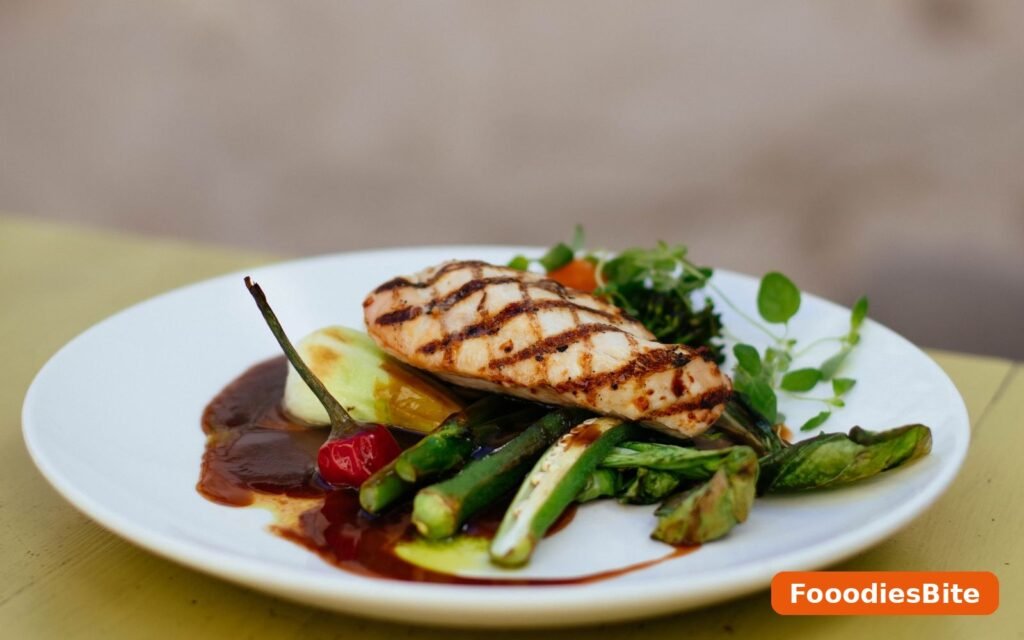
This is the base recipe I promised — the one to learn first. It serves four, takes about twenty-five minutes, and works with breasts or boneless thighs. Once you have made it a few times, you will start changing it without thinking: a different herb here, a splash of wine there, a handful of spinach wilted in at the end.
Ingredients: 4 boneless, skinless chicken breasts or 8 boneless thighs; 1 teaspoon salt; 1/2 teaspoon black
pepper; 1 teaspoon garlic powder; 1 teaspoon smoked paprika; 1/2 teaspoon dried thyme or oregano; 2 tablespoons olive oil; 2 tablespoons butter; 3 garlic cloves, thinly sliced; juice of half a lemon; a handful of fresh parsley, chopped.
Pat the chicken dry with paper towels — this step matters more than any other for browning, so do not skip it. If the breasts are very thick on one side, lay them between two sheets of baking paper and give them a few firm taps with a rolling pin until they are roughly even. Season generously on both sides with the salt, pepper, garlic powder, paprika, and thyme. Let the chicken sit while you heat the pan, at least ten minutes if you can spare them.
Heat the olive oil in a large skillet over medium-high heat until it shimmers. Lay the chicken in the pan without crowding it — cook in two batches if you need to, because crowded chicken steams and pale chicken is a missed opportunity. Leave it alone for five to six minutes. Resist the urge to poke and shuffle it; the golden crust forms when the meat stays in contact with the hot pan. Flip, and cook for another five to six minutes, until the thickest part reads 165°F (74°C) on a thermometer or the juices run clear.
Turn the heat down, add the butter and sliced garlic, and let the garlic turn just golden — it burns fast, so watch it. Squeeze over the lemon juice, which will sizzle and lift all those browned bits into a quick pan sauce. Spoon that sauce over the chicken, scatter with parsley, and rest the meat for five minutes before slicing. Resting is not optional fussiness; it lets the juices settle back into the meat instead of running all over the cutting board. Serve it with whatever you have: rice, potatoes, salad, or just good bread to mop up the sauce.
Serving Ideas
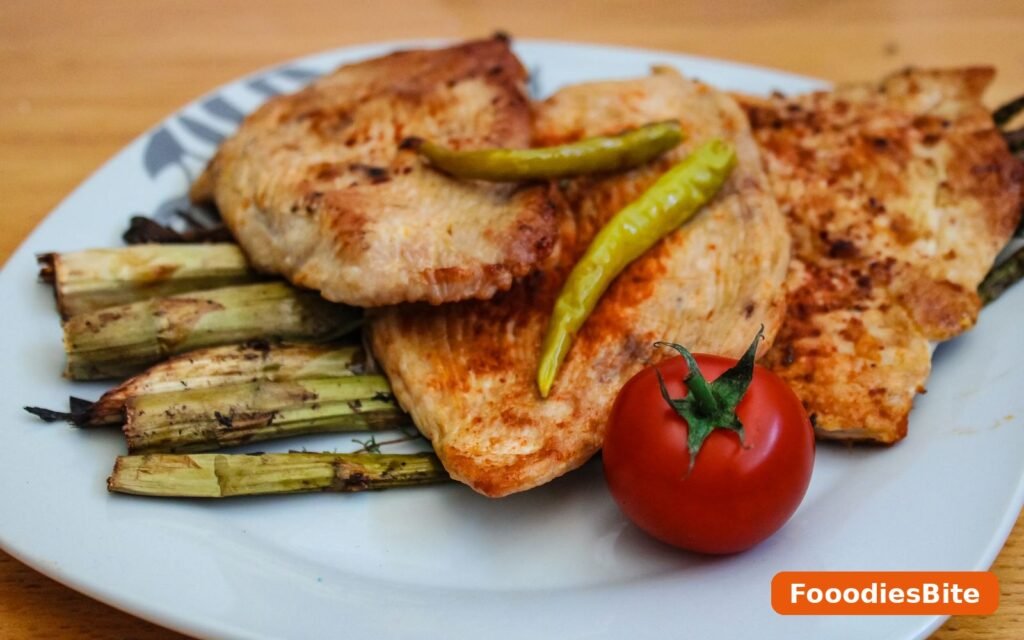
Unbreaded chicken is a blank canvas in the best sense, which means the sides do as much work as the main dish. A simple green salad with a sharp lemon dressing cuts through richer, buttery chicken beautifully. Roasted potatoes, rice pilaf, or buttered noodles soak up pan sauces in a way that makes the whole plate feel complete. For something lighter, think steamed green beans with almonds, a crunchy slaw, or a tomato and cucumber salad with plenty of herbs.
Sauces are worth keeping in your back pocket. A quick garlic yoghurt sauce, a spoonful of chimichurri, or a simple pan gravy made from the juices can turn the same chicken into three different dinners across the week. And do not overlook the humble sandwich: cold sliced chicken with good mayonnaise, lettuce, and tomato on crusty bread is a lunch worth looking forward to, not a sad leftover. If you are planning a full week, cook a double batch on Sunday — roast chicken on Sunday, chicken salad on Monday, wraps on Tuesday — and you will wonder why you ever thought chicken needed a coating to be interesting.
Tips for Juicy Chicken Every Time
A thermometer takes the guesswork out, and it is the single best purchase for anyone who cooks chicken regularly. Beyond that, remember that carryover cooking is real: chicken continues to cook for a few minutes after it leaves the heat, so pulling it right at temperature, rather than well past it, keeps it moist. Letting meat rest, as mentioned above, is equally important, and it applies to roasts and thighs just as much as breasts.
Marinades help, but they do not need to be long or complicated. Even thirty minutes in olive oil, lemon, garlic, and herbs makes a noticeable difference, and an overnight marinade turns a plain breast into something genuinely good. Avoid very acidic marinades for too long, though — lemon juice or vinegar left for a whole day can start to make the surface of the meat mushy rather than tender. Brining is another option if you have time: a simple saltwater brine for an hour or two is remarkably effective, especially for breasts, though well-seasoned chicken cooked carefully will get you most of the way there without it.
Finally, think about the pan. A heavy skillet holds heat better than a thin one, which means steadier browning and fewer hot spots. Cast iron is ideal if you have it, but any sturdy pan will do as long as you let it preheat properly. And if the chicken sticks when you try to flip it, it is usually telling you it is not ready yet — properly browned chicken releases from the pan on its own. Give it another minute, and try again.
Storing and Using Leftovers
Cooked chicken keeps in the fridge for three to four days in a sealed container, and it freezes well for up to three months if you wrap it tightly. Slice or shred it before freezing in portions, and label the bag — future you will be grateful. To reheat, warm it gently in a covered skillet with a splash of stock or water, which stops it drying out far better than blasting it in the microwave. Leftover chicken is also the starting point for half the ideas in this list: soups, salads, wraps, grain bowls, and sandwiches all welcome it gladly.
If you are cooking for one or two, these recipes scale down easily. Cook the full amount anyway, if you like, and let the leftovers do a second shift later in the week. That is not laziness; it is the oldest kitchen trick there is, and it is how busy people eat well without cooking from scratch every single night. For more ideas in this vein, the FooodiesBite homepage is a good place to browse what is new.
Frequently Asked Questions
Can I make these recipes without a thermometer?
Yes, you can, though a thermometer makes it much easier to be sure. Cut into the thickest part of the chicken and check that the meat is no longer pink and the juices run clear. For breasts, the meat should feel firm but still springy, not hard. With practice you will learn what done feels like, but until then, checking is always better than guessing, especially with thicker pieces.
Why does my unbreaded chicken always turn out dry?
Usually it is one of three things: the chicken was cooked too long, it was not rested, or the pieces were uneven in thickness. Use a thermometer, pull the chicken at 165°F (74°C), rest it for five minutes, and pound thick breasts to an even thickness before cooking. Thighs are also a more forgiving choice if dryness keeps happening, since their higher fat content keeps them juicy across a wider window.
Can I use frozen chicken for these recipes?
Yes, but thaw it fully first in the fridge overnight, or in cold water if you are short on time. Cooking from frozen leads to uneven results — the outside overcooks while the inside is still catching up — and marinades cannot do their work on frozen meat. Pat thawed chicken very dry before cooking, since extra surface moisture is the enemy of good browning.
What is the best oil for searing chicken without breading?
A neutral oil with a reasonably high smoke point, such as regular olive oil, avocado oil, or vegetable oil, works well for searing. Extra virgin olive oil is fine for medium heat and for dressings, but it can smoke and taste bitter at very high heat. Whatever you choose, use enough to coat the pan lightly, and let it get hot before the chicken goes in.
How do I get a good brown crust without breading?
Dry the chicken thoroughly, preheat the pan properly, do not crowd it, and leave it undisturbed while it browns. Moisture is the main obstacle: wet chicken steams instead of searing. A heavy pan, medium-high heat, and patience will give you a deep golden crust that has nothing to do with breadcrumbs and everything to do with good technique.
Can I adapt these recipes for the air fryer?
Most of them, yes. Air fryers are excellent for thighs, drumsticks, and chicken strips without breading — the hot circulating air crisps skin and browns the surface quickly. Reduce the temperature slightly compared with oven roasting, cook in a single layer with space between pieces, and check the internal temperature. Saucy recipes are better kept in a skillet or oven dish, where the sauce has somewhere to go.
Pingback: 39 Chicken Thighs Without Breading in Air Fryer – FooodiesBite
Pingback: 36 Air Fryer Chicken Tenders Without Breadcrumbs – FooodiesBite
Pingback: Mediterranean Chicken with Olives and Tomatoes – FooodiesBite