
Some recipes taste like a place, and this one tastes like a long, slow lunch somewhere warm, even when you are cooking it on an ordinary Tuesday in a kitchen that looks nothing like a seaside terrace. Mediterranean chicken with olives and tomatoes is built from the ingredients that define that whole style of cooking: good olive oil, garlic, ripe tomatoes that burst into a sauce as they cook, briny olives, lemon, and herbs. Nothing in it is exotic or hard to find, but together they create something sunny and generous that feels like a small holiday in the middle of the week.
What I love about this dish is that it manages to be both light and satisfying at the same time. The chicken is seared until golden, then finished gently in a sauce made from tomatoes, olives, and capers, so it stays juicy without being heavy. There is no cream, no cheese sauce, and no long list of steps, yet the result tastes layered and complete, the kind of dinner where you find yourself spooning extra sauce over everything on the plate. It is also naturally flexible, which makes it a wonderful recipe to learn by heart and adapt to the seasons.
I first cooked something like this after coming home from a trip with a suitcase full of food memories and a determination to recreate them with supermarket ingredients. The version I made that first night was simpler than the one below, just chicken, tomatoes, and olives, and it was already good enough to make again. Over the years I have added capers, lemon, and a handful of spinach, and I have learned which olives I prefer and why the tomatoes matter so much. The recipe below is the version I have settled on, the one that works reliably and tastes like summer whatever the weather is doing outside.
Why You’ll Love This Recipe
The first reason is flavor without effort. Mediterranean cooking is famous for getting a great deal of taste from a small number of ingredients, and this dish is a perfect example. The tomatoes break down into a light, fresh sauce, the olives add salt and depth, the garlic and oregano bring warmth, and the lemon at the end lifts everything. No single ingredient dominates, and none of them needs special technique to shine. You are essentially letting good ingredients do what they already do best.
The second reason is that it is a genuinely healthy-feeling dinner that does not taste like a compromise. The sauce is based on olive oil and vegetables rather than cream or butter, the chicken is lean protein, and the dish is full of the kinds of flavors that make you want to eat slowly and enjoy your food. If you are trying to eat a little lighter without giving up dinners that feel satisfying, this is the kind of recipe that makes that goal feel easy rather than restrictive. The broader tradition it comes from, Mediterranean cuisine, is celebrated for exactly this balance of freshness, simplicity, and pleasure.
It is also a one-pan dinner, which is a blessing on any night but especially on weeknights. The chicken sears in the same skillet that later holds the sauce, so the browned bits from the chicken become part of the flavor rather than something to scrub off later. Fewer pans means less washing up, and it also means the dish comes together faster, since you are not juggling multiple pots and timings. From start to finish, you are looking at about forty minutes, much of it hands-off while the chicken simmers.
Finally, this recipe is wonderfully adaptable to what you have. Cherry tomatoes are my first choice, but chopped ripe tomatoes work too. Kalamata olives are my favorite, but green olives or a mix are both delicious. You can add artichoke hearts, a handful of spinach, or a crumbling of feta, or leave all of those out and keep it simple. That flexibility is part of the Mediterranean spirit: cooking with what is fresh, ripe, and available, rather than following a rigid formula.
Ingredients
You will need about two pounds of boneless, skinless chicken thighs or breasts. Thighs are my preference here because they stay juicy through the simmering stage and their richer flavor suits the bold sauce, but breasts work well too if that is what you prefer or what you have. If you use breasts, consider slicing thicker ones in half horizontally so they cook evenly and do not dry out. Season the chicken with salt, black pepper, a teaspoon of dried oregano, and half a teaspoon of paprika.
For the sauce, you will need two tablespoons of olive oil, one small red onion, thinly sliced, four cloves of garlic, thinly sliced, one pint of cherry tomatoes, halved, or about a pound of ripe tomatoes, chopped, half a cup of pitted Kalamata olives, halved, two tablespoons of capers, drained and rinsed, half a cup of chicken broth, and the juice and zest of half a lemon. A teaspoon of tomato paste, stirred in with the garlic, deepens the sauce beautifully, though it is optional. Finish with a handful of fresh basil or parsley, chopped, and a drizzle of good olive oil.
For serving, the optional extras make a real difference. Crumbled feta scattered over the top adds a salty creaminess that pairs beautifully with the tomatoes and olives, though you can leave it out if you prefer to keep the dish dairy-free. A handful of baby spinach, wilted into the sauce at the end, adds color and a fresh, green note. And crusty bread, rice, or orzo for serving is almost essential, because the sauce is far too good to leave behind in the pan. Use a decent olive oil for the final drizzle if you have one, since its flavor will be noticeable in a dish this simple.
How to Make Mediterranean Chicken with Olives and Tomatoes
Pat the chicken dry with paper towels and season it generously on both sides with salt, pepper, oregano, and paprika. Drying the chicken is a small step that makes a real difference to browning, so do not skip it even when you are in a hurry. Heat the olive oil in a large, deep skillet over medium-high heat until it shimmers, then add the chicken in a single layer. Let it sear undisturbed for about four to five minutes per side, until it is deeply golden. It does not need to be fully cooked at this stage, since it will finish in the sauce, so focus on color rather than doneness. Transfer the chicken to a plate and set it aside.
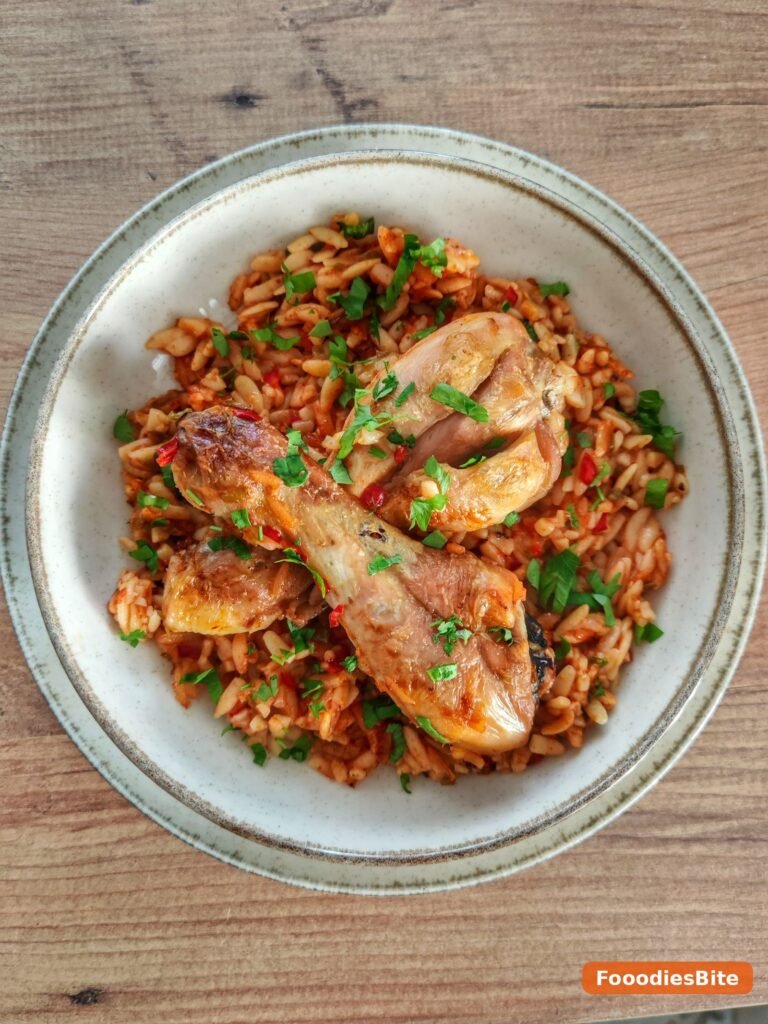
Lower the heat to medium and add the sliced onion to the same skillet, along with a pinch of salt. Cook for three to four minutes, stirring occasionally, until the onion softens and starts to turn translucent. Add the garlic and tomato paste, if using, and cook for about a minute more, stirring constantly, until the garlic smells fragrant and the tomato paste darkens slightly. This brief cooking of the tomato paste removes its raw edge and gives the sauce a deeper, richer base.
Add the tomatoes, olives, and capers to the skillet, and pour in the chicken broth. As the liquid hits the hot pan, scrape up the browned bits left behind by the chicken, because those bits are concentrated flavor and they belong in the sauce. Bring the mixture to a gentle simmer and let it cook for five to six minutes, stirring occasionally, until the cherry tomatoes start to burst and collapse into a chunky, rustic sauce. If you are using chopped tomatoes, they will break down a little faster, so check after four minutes.
Nestle the chicken back into the skillet, spooning some of the sauce over the top, and reduce the heat to low. Cover the pan and let everything simmer gently for ten to twelve minutes for thighs, or eight to ten minutes for breasts, until the chicken is cooked through and reads 165 degrees Fahrenheit in the thickest part. Uncover the pan for the last couple of minutes if you want the sauce to thicken slightly. Remove the pan from the heat and stir in the lemon juice and zest, which brighten the whole dish. If you are adding spinach, stir it in now and let the residual heat wilt it. Taste and adjust the salt, keeping in mind that olives, capers, and feta are all salty, so the sauce may need less salt than you expect.
Tips for the Best Results
The most important tip is to use the best tomatoes you can find. In summer, ripe, in-season tomatoes are ideal, and their natural sweetness makes the sauce with very little help. Out of season, cherry or grape tomatoes are usually a better choice than large, pale supermarket tomatoes, because they tend to be sweeter and more flavorful year-round. Taste a tomato before you start cooking if you can, and if it is a little tart, a pinch of sugar in the sauce will balance it without making the dish taste sweet.
Choosing your olives matters too. Kalamata olives bring a deep, wine-like brininess that is the classic choice for this dish, while green olives such as Castelvetrano are milder and butterier. A mix of both gives you the best of both worlds, with different shades of saltiness in each bite. Whatever you choose, buy pitted olives if you can, and taste one before adding them, because olives vary a lot in saltiness and you will want to adjust the rest of the seasoning accordingly.
Do not rush the sear. Golden-brown chicken is not just about appearance; the browning process creates new, savory flavors that become part of the sauce when you deglaze the pan. If the chicken sticks when you try to turn it, it is probably not ready yet, and giving it another minute will usually release it naturally. A pan that is not hot enough, or chicken that is crowded, will steam instead of searing, so work in batches if your skillet is small rather than squeezing everything in at once.
Finally, finish with acid and herbs off the heat. Lemon juice added at the end tastes bright and fresh, while lemon juice simmered for a long time turns dull and muted. The same is true of fresh basil and parsley, which lose their fragrance if cooked for too long. Stirring them in right before serving keeps their flavor vivid and makes the finished dish look as fresh as it tastes. This is a small habit that improves almost any Mediterranean-style dish, and it is worth building into your cooking generally.
Variations to Try
Once you know the base recipe, the variations are almost endless. Adding a can of drained chickpeas to the sauce in the last ten minutes turns it into a heartier, more filling meal that stretches further, and the chickpeas soak up the tomato and olive flavors beautifully. A jar of drained, quartered artichoke hearts, added with the tomatoes, brings a tender, slightly tangy note that is very much in the Mediterranean spirit. For a richer finish, crumble feta over the top just before serving and let the heat of the sauce soften it slightly.
You can also change the protein. Bone-in, skin-on thighs, seared skin side down until crisp and then braised in the sauce, are wonderfully rustic, though they need a longer simmer of about twenty-five minutes. Firm white fish, such as cod or halibut, cooks in the same sauce in about eight to ten minutes and makes a lighter, equally delicious version. Even shrimp work, added in the last five minutes so they stay tender rather than turning rubbery. The sauce is the star here, and it is generous enough to welcome whatever protein you put into it.
For a different serving style, turn the finished dish into a grain bowl. Spoon the chicken and sauce over warm orzo, couscous, or rice, and add a simple cucumber and tomato salad on the side. The grains soak up the sauce and turn the dish into something that feels complete for a larger gathering. If you enjoy chicken that stays light and unbreaded, our easy chicken recipes without breading follows a similar philosophy of letting the chicken itself, rather than a coating, carry the meal.
Serving Ideas
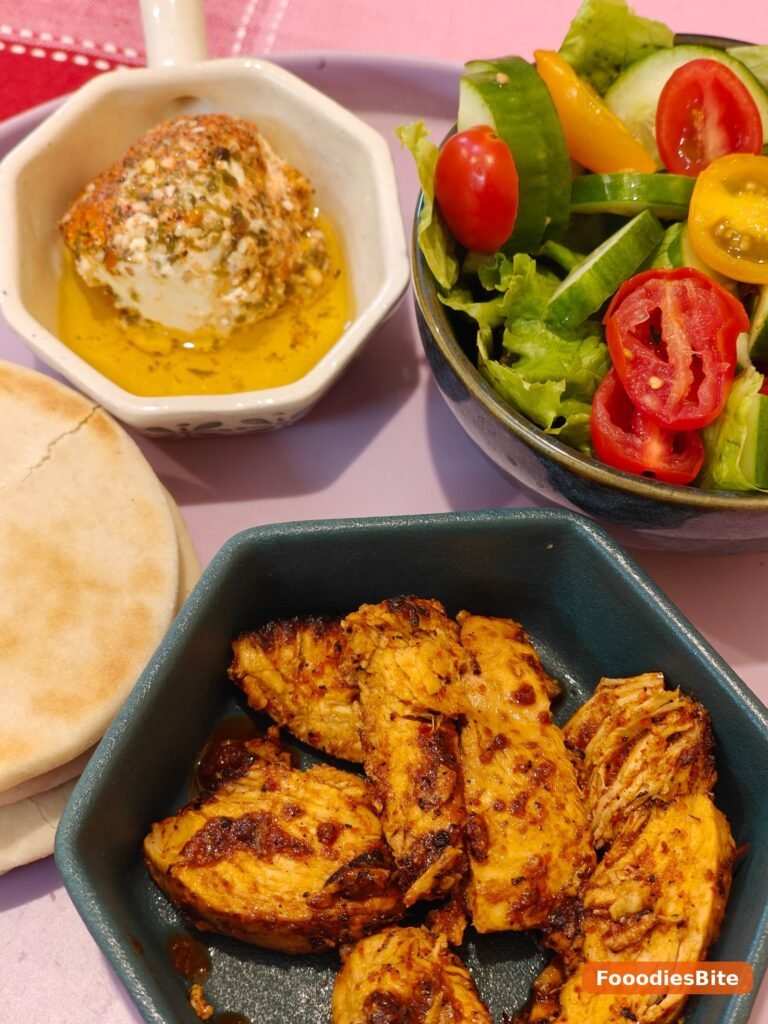
The sauce is the best argument for serving this with something that can soak it up. Crusty bread is the simplest and, in my opinion, the best choice, because tearing off a piece and dragging it through the tomato and olive sauce is one of the great small pleasures of this dish. Warm orzo or couscous is a close second, turning the pan into a complete meal with very little extra work. Plain rice works well too, especially if you are feeding a crowd and want something neutral that lets the sauce shine.
For sides, keep things fresh and simple. A cucumber, tomato, and red onion salad with a lemon and olive oil dressing echoes the flavors of the main dish without repeating them exactly. Roasted zucchini or green beans add another vegetable without complicating the meal. A dollop of tzatziki on the side, if you have it, adds a cool, creamy contrast that works surprisingly well with the warm, briny sauce, and a few extra olives and lemon wedges on the table let everyone adjust their own plate.
This dish also scales beautifully for entertaining. Double the recipe in a large, wide pan or a braiser, and serve it family style straight from the pan, with bread, salad, and a bowl of feta on the table. It looks abundant and rustic, it holds well for a few minutes while people settle, and it suits the kind of relaxed, generous meal where the food is part of the conversation rather than a formal performance. For dessert after such a meal, something light from our desserts and baking collection is the natural way to finish without overloading an already satisfying dinner.
Storage and Reheating
Leftovers keep in an airtight container in the fridge for three to four days, and the flavors actually improve overnight as the sauce and chicken spend more time together. To reheat, warm the chicken and sauce gently in a covered skillet over low heat, adding a splash of water or chicken broth if the sauce has thickened too much. Avoid high heat, which can toughen the chicken, and add a fresh squeeze of lemon and a scattering of herbs after reheating to wake the flavors back up.
The sauce on its own freezes well for up to three months, though the chicken is better eaten fresh or as fridge leftovers, since reheated frozen chicken can turn a little dry. If you do freeze leftovers, thaw them overnight in the fridge and reheat gently as described above. Leftover chicken, sliced cold, is excellent in sandwiches with a little of the sauce as a spread, or tossed through a grain salad the next day. For more ideas on turning leftover chicken into a second meal, our easy rice recipes with leftover chicken is full of practical suggestions.
Frequently Asked Questions
Can I use chicken breasts instead of thighs?
Yes, and the recipe works well with breasts, though you should take a little more care not to overcook them. Slice thicker breasts in half horizontally so they cook evenly, sear them as directed, and simmer them for a slightly shorter time, about eight to ten minutes, until they reach 165 degrees Fahrenheit. Letting them rest in the sauce for a few minutes off the heat helps them stay juicy.
What kind of olives work best?
Kalamata olives are my first choice for their deep, briny flavor, but green olives, especially Castelvetrano, are also delicious and a little milder. A mix of both is often the best option, giving you different notes of saltiness in each bite. Avoid olives that are heavily marinated in strong flavors, since they can overwhelm the sauce, and always taste one before adding them so you can adjust the salt in the rest of the dish.
Can I make this ahead of time?
Yes, and it reheats beautifully, which makes it a good choice for entertaining. Cook the dish fully, let it cool, and refrigerate it for up to a day. Reheat it gently in a covered skillet over low heat, adding a splash of broth if needed, and finish with fresh lemon juice and herbs just before serving. The flavors deepen overnight, so many cooks think it tastes even better the next day.
Is this recipe dairy-free and gluten-free?
As written, without the optional feta, it is naturally dairy-free and gluten-free. The sauce contains no cream, butter, or flour, and the chicken and vegetables are naturally free of gluten. Just check that your chicken broth is certified gluten-free if you are cooking for someone with celiac disease, and serve it with gluten-free bread or rice to keep the whole meal suitable.
What if I do not like capers?
You can simply leave them out. Capers add a small, salty, tangy pop, but the olives already bring plenty of brininess, so the dish will still taste complete without them. If you want a similar tangy note without capers, a little extra lemon zest or a spoonful of chopped pickled peppers can fill the same role. The recipe is forgiving, and omitting one small ingredient will not unbalance it.
Can I cook this in the oven instead of on the stove?
Yes. Sear the chicken on the stove as directed, then build the sauce in an oven-safe skillet, nestle the chicken back in, cover, and bake at 375 degrees Fahrenheit for about twenty to twenty-five minutes, until the chicken is cooked through. This is a good option if your stovetop is busy or you want a more hands-off finish. For more oven and air-fryer chicken methods, our air fryer recipes collection covers similar techniques, and the Mediterranean recipe collections at BBC Good Food are also a reliable source of comparison and inspiration.
However you make it, this is a dish that rewards a relaxed approach: good ingredients, a hot pan, a little patience while the sauce comes together, and a final squeeze of lemon. Cook it once, and it is likely to become one of those recipes you return to whenever you want dinner to feel a little sunnier than usual.